
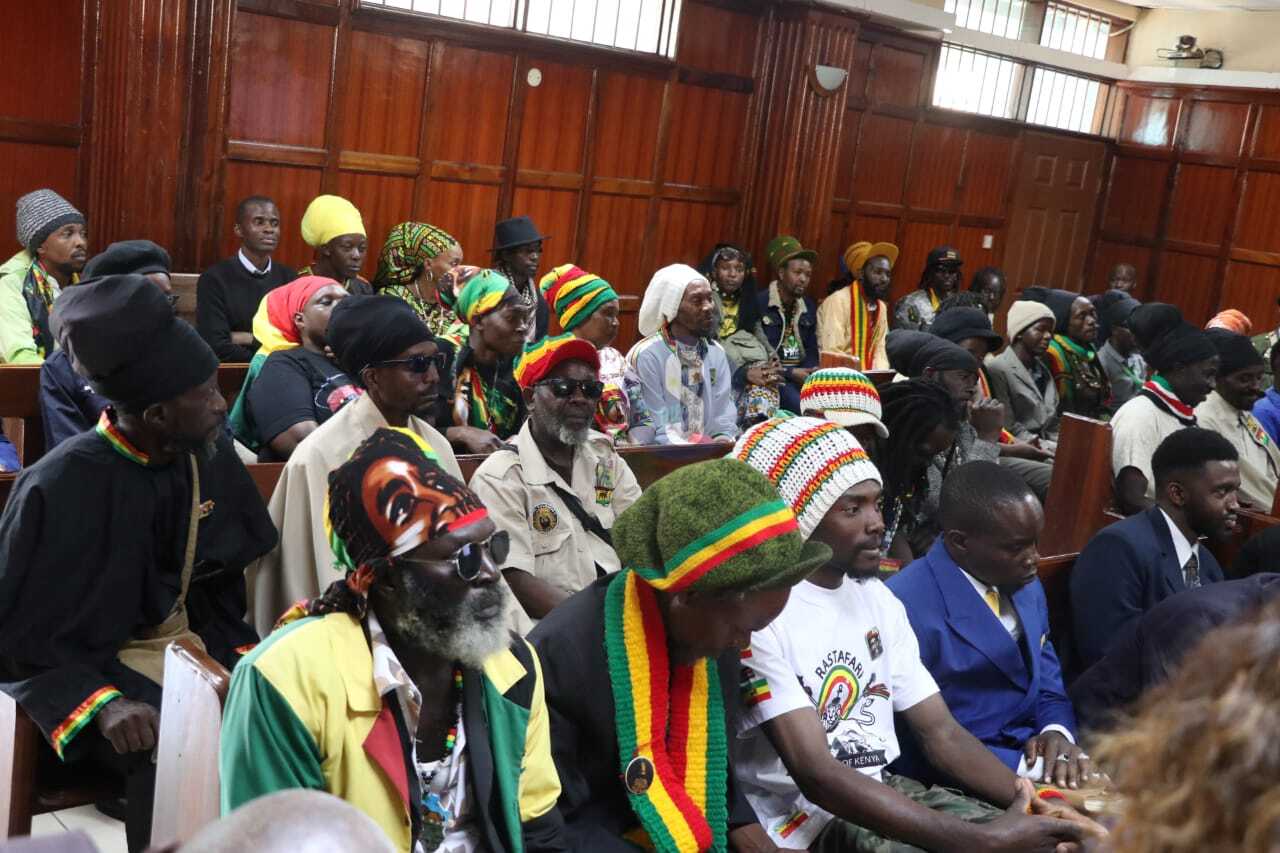
The petition aimed to recognize the sacramental role of the plant within their faith, arguing that current prohibitions infringed on constitutional rights to freedom of religion and belief. However, the judge determined that insufficient evidence was provided to support claims of substantial interference with their spiritual observances.
Justice Bahati Mwamuye dismissed the case, affirming that the Narcotic Drugs and Psychotropic Substances Control Act remains valid and enforceable without religious exceptions. The court emphasized that any changes allowing such use would require a stronger legal and constitutional basis than what the petitioners presented. Despite the setback, the judge encouraged broader national discussions on cannabis policy to explore potential future directions for regulation.
The decision underscores ongoing tensions between traditional cultural and religious practices and existing legal frameworks governing controlled substances. For the Rastafarian community, the outcome means continued compliance with strict anti-drug laws that criminalize cultivation, possession, and consumption of bhang. Advocates had hoped for recognition similar to allowances in other jurisdictions where religious freedom intersects with substance use.
This ruling is likely to spark further debate among policymakers, faith groups, and civil society about balancing public health concerns with individual liberties. As the conversation evolves, many will be watching to see if legislative reforms might eventually address these complex issues in a more inclusive manner. The case highlights the challenges of accommodating diverse spiritual beliefs within a unified national legal system.