
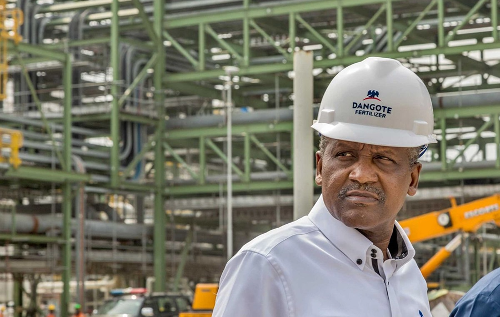
The project, valued between Sh2 trillion and Sh2.2 trillion, represents one of the largest potential investments in the region’s energy infrastructure. This strategic move could dramatically reshape East Africa’s fuel supply chain, reducing heavy dependence on imported refined petroleum products that currently dominate the market.
Mombasa’s appeal lies in its strategic advantages, particularly its deep-water port facilities that allow efficient handling of large crude oil tankers. Coupled with robust local and regional demand for fuel, the location offers logistical superiority for distribution across East Africa. Dangote’s vision addresses a long-standing gap: despite growing energy needs, the entire East African region still imports every drop of refined fuel, exposing economies to price volatility and supply disruptions from global markets.
The proposed refinery stands to deliver far-reaching economic benefits, from job creation during construction and operation to enhanced energy security for Kenya and its neighbors. By establishing local refining capacity, the project could lower costs for consumers, stimulate ancillary industries, and attract further investment in petrochemicals and related sectors. For Dangote, whose industrial empire already spans cement, fertilizers, and refining in Nigeria, this expansion underscores a broader commitment to transforming Africa’s resource landscape from raw exporter to value-added producer.
As discussions progress, the initiative highlights Kenya’s emergence as an attractive destination for mega-projects backed by visionary African capital. Success would mark a milestone in regional self-reliance, potentially ending decades of full import reliance and positioning Mombasa as an energy powerhouse. Stakeholders across government, business, and civil society will be watching closely to see how this transformative proposal advances in the months ahead.