
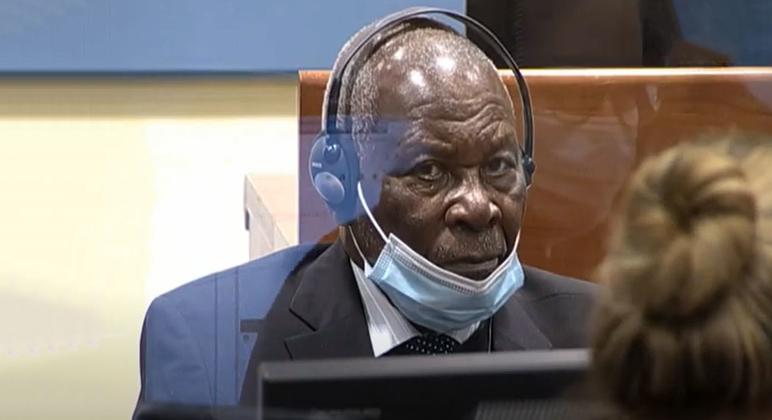
A United Nations court announced his death on May 16, 2026, bringing a quiet end to a long and controversial chapter in international justice. For decades, Kabuga had been wanted for allegedly funding and arming extremist militias responsible for the mass killings, yet he managed to evade capture until his dramatic arrest in a Paris suburb. His death marks the conclusion of years of legal proceedings that never reached a full trial.
After more than twenty years living under false identities across Europe and Africa, Kabuga was finally apprehended in France in 2020. He was swiftly extradited to The Hague, where he faced charges before the International Residual Mechanism for Criminal Tribunals. Prosecutors portrayed him as a key financier who used his business empire to support the genocide machinery. However, his advanced age and declining health soon became central issues in the case, shifting focus from accountability to humanitarian considerations.
Court experts determined that Kabuga suffered from severe dementia, rendering him unfit to stand trial. Judges also ruled that he was too frail to be transferred back to Rwanda, where authorities had long sought his extradition to face justice on home soil. These decisions drew mixed reactions, with many genocide survivors expressing deep disappointment that he would never answer for his alleged crimes in a courtroom.
Kabuga’s passing leaves a complex legacy in Rwanda’s ongoing journey toward healing and remembrance. While some see it as the natural end of an era, others view it as unfinished justice for the hundreds of thousands of lives lost. His story continues to highlight the challenges of pursuing high-profile fugitives and the limits of international tribunals when health intervenes. As Rwanda and the region reflect on this development, efforts to preserve historical memory and support survivors remain more important than ever.