
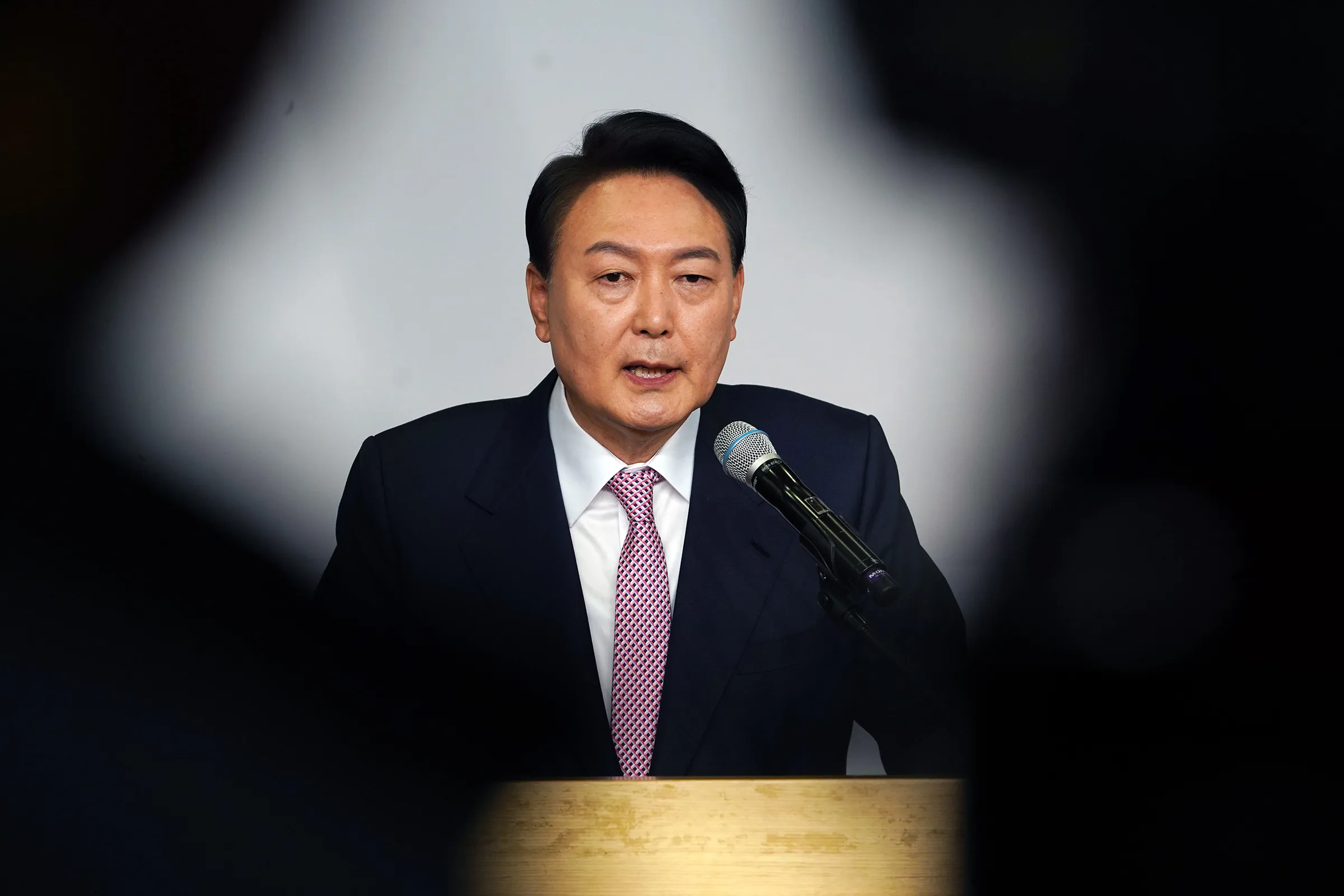
The conviction stems from his brief declaration of martial law on December 3, 2024, which the court deemed an act of leading an insurrection. Judge Jee Kui-youn described Yoon's actions as a direct and proactive plan to mobilize military and police forces in an illegal bid to seize control of the National Assembly, arrest political opponents, and establish unchecked authority. This marked the most severe penalty handed down in the country's democratic era for such charges, with the sentence including labor, though South Korea has maintained a moratorium on executions since 1997.
The trial followed Yoon's impeachment and removal from office in early 2025, after his martial law order—lasting only about six hours—was swiftly overturned by parliamentary resistance and public outcry. Prosecutors had pushed for the death penalty, arguing that the move represented a grave threat to constitutional order and democracy. However, the court opted for life imprisonment, citing factors such as Yoon's age (65), lack of prior criminal record, and the absence of casualties or personal violence during the episode. Despite the botched nature of the power grab, the judge emphasized the enormous social and political costs inflicted on the nation, along with Yoon's apparent lack of remorse throughout the proceedings.
Yoon, who has been in custody since mid-2025 and already serving a separate five-year sentence for related charges like abuse of power and obstructing arrest, is expected to appeal the verdict within the allotted timeframe. The case continues to reverberate across South Korea, where it has tested the resilience of democratic institutions and led to convictions for several former officials in his administration. As the nation moves forward under new leadership, this historic judgment serves as a stark reminder of the consequences of attempting to subvert civilian rule.