
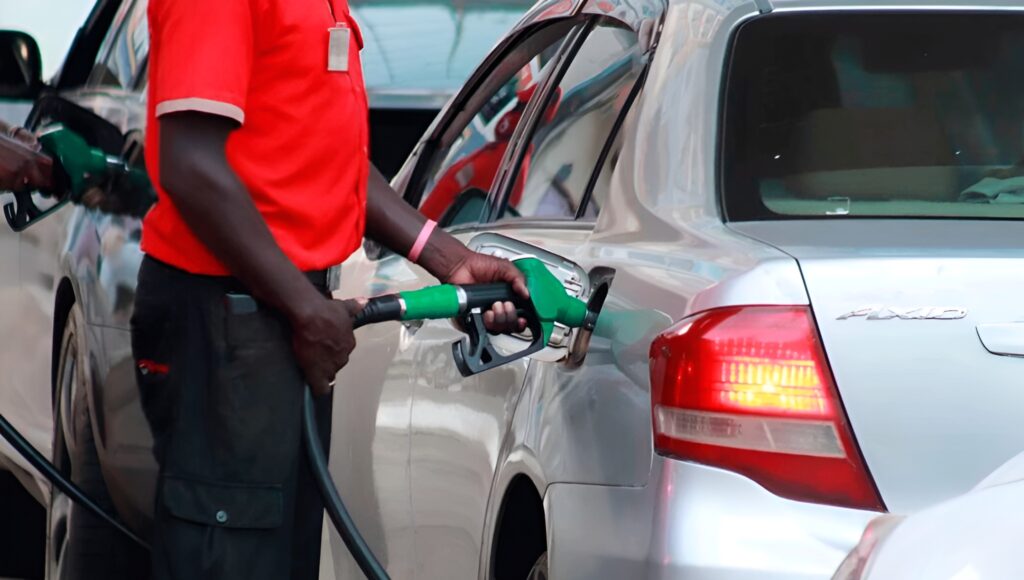
According to the Energy and Petroleum Regulatory Authority (EPRA), this subsidy aims to shield consumers from the full impact of rising global oil costs and other market factors. While super petrol has seen a notable increase, the intervention specifically targets diesel and kerosene, which are vital for transportation, farming, and household energy needs across the country.
This latest support comes as diesel prices have risen sharply in the new review, potentially affecting transport fares and the cost of goods. By drawing from the levy fund — built from existing contributions at the pump — authorities hope to prevent even steeper hikes that could worsen inflation and living expenses. Kerosene prices have remained unchanged in many areas thanks to this measure, providing some relief to low-income households that depend on it for cooking and lighting. The move reflects ongoing efforts to balance international price pressures with local consumer protection.
The subsidy amount is slightly lower than in the previous cycle, highlighting careful management of available resources amid fluctuating market conditions. EPRA noted that the funds will be distributed to oil marketers and importers to keep pump prices more manageable. This approach has become a regular tool for the government when global crude oil trends and currency movements threaten to push domestic fuel costs too high. However, many analysts argue that such short-term interventions need to be paired with longer-term strategies to reduce Kenya’s reliance on imported petroleum products.
As motorists adjust to the new rates, the Ksh 5 billion cushion is expected to play a key role in keeping essential sectors moving without major disruptions. Businesses in logistics and agriculture, in particular, stand to benefit from more predictable diesel costs. While this provides immediate breathing space, sustained public discussion continues on how Kenya can build greater energy resilience and explore alternatives to ease future pressure on household budgets.