
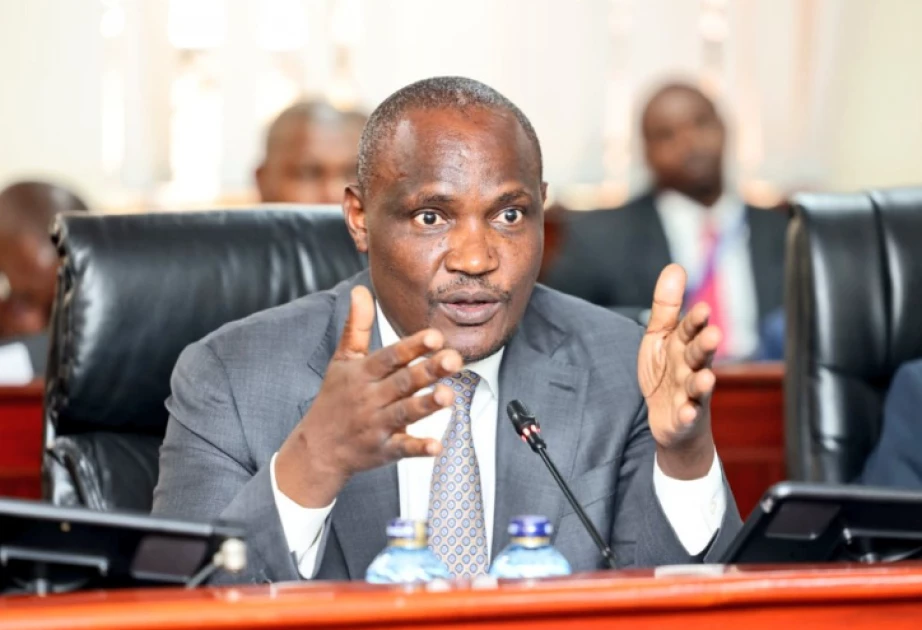
During a public address in Meru on Monday, CS Mbadi explained that the proposal received direct backing from President William Ruto. He stated that the Ministry of Finance would soon submit the necessary changes through the Tax Laws Amendment Bill to Parliament, paving the way for inclusion in the upcoming Finance Bill 2026.
Mbadi emphasized fairness in taxation, saying the government should target higher earners instead. "We have agreed with the President that low-income earners in this country should be given a reprieve," he noted. "Anybody earning KSh 30,000 and below in Kenya should not pay PAYE. You pay zero." He added confidently, "I don't think there is any MP who will oppose that."
For those in the next income bracket—earning between KSh 30,001 and KSh 50,000—the CS proposed lowering the PAYE rate by 5 percentage points to 25%. "We are trying to put some money in your pockets," he remarked.
Official figures from the National Exchequer indicate that Kenya has around 3.65 million people on formal payroll, with approximately 1.5 million falling into the under-KSh 30,000 category. The current PAYE system begins taxing salaries as low as KSh 24,000 (after personal relief), which has contributed to widespread complaints about reduced take-home pay amid inflation and economic pressures.
The proposed reforms aim to boost household spending power, stimulate consumption, and support overall economic recovery by reducing the tax load on vulnerable workers. No exact implementation timeline was specified beyond the planned parliamentary process ahead of the 2026 budget cycle.
This announcement signals a shift toward more progressive taxation, with the government focusing revenue efforts elsewhere while providing direct relief to the lowest-paid employees.