
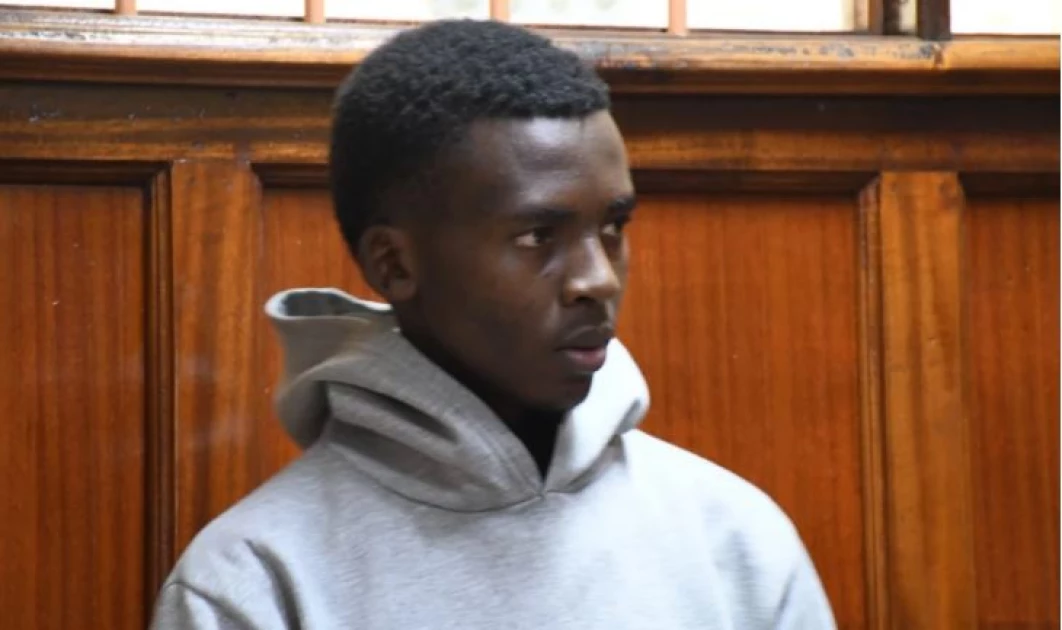
Mokaya was charged in November 2024 for allegedly posting false information on X (under the account @bozgabi ) claiming that President William Ruto's body had left Lee Funeral Home, implying the President's death. He was arrested, released on bail, and fully acquitted on February 19, 2026, by Senior Principal Magistrate Caroline Nyaguthii, who ruled that the prosecution failed to prove the case beyond reasonable doubt due to insufficient evidence linking him to the post.
Following his acquittal, Mokaya, represented by lawyer Danstan Omari, approached the High Court on February 23, 2026, seeking urgent protection after it emerged during the trial that his mobile phone data—including call records, subscriber information, location data, and metadata—had been obtained and shared with investigators without his consent or a proper court order. Justice Bahati Mwamuye granted interim orders on February 25, 2026, restraining the DCI and any other parties from handling or disclosing this data except with Mokaya's express written consent, a valid court order, or under explicit legal provisions. The orders aim to safeguard his privacy pending an inter partes hearing.
The ruling underscores growing concerns over data protection in Kenya, particularly in cyber investigations, and comes amid revelations that a mobile service provider (identified as Safaricom in related proceedings) supplied the information unlawfully. Mokaya has been directed to serve the application and orders on respondents by February 27, 2026, with responses due by March 13, 2026. This development highlights tensions between law enforcement practices and constitutional rights to privacy and data protection under Kenyan law.