
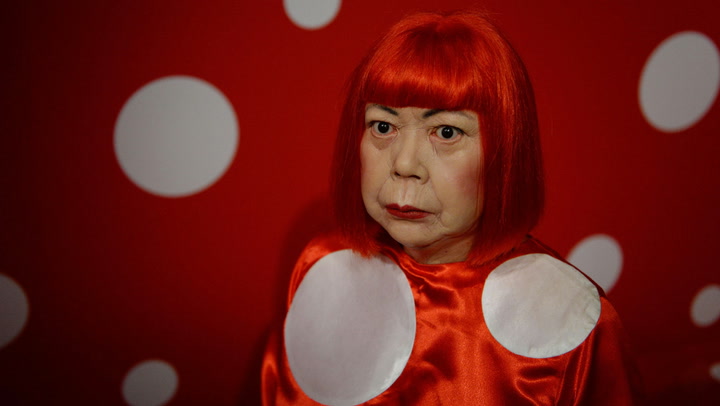
Her official studio and museum confirmed that she passed away on 14 August 2026 in a Tokyo hospital, though no cause of death was given in the announcement. Known worldwide as the “polka dot queen,” Kusama leaves behind a distinctive body of work defined by vibrant patterns, immersive installations and an enduring influence on modern art.
Kusama first gained international attention after moving to New York in her twenties, where she became a striking presence in the 1960s art scene. Her bold polka-dot paintings, phallic sculptures and public performances challenged conventions and drew connections to the wider pop and avant-garde movements of the era. She also took part in anti-war activism and is credited with influencing major figures such as Andy Warhol through her repetitive motifs and boundary-pushing ideas.
In later decades her mirrored Infinity Room installations became global sensations, drawing huge crowds to museums and galleries and turning her into a cultural icon well into her eighties and nineties. Works featuring endless dots, pumpkins and psychedelic environments appeared in leading institutions including New York’s Museum of Modern Art, cementing her reputation as one of the most recognisable artists of her generation.
Throughout her life Kusama spoke openly about long-standing mental health challenges that began in childhood. From 1977 she chose to live in a psychiatric hospital in Japan while continuing to work daily in a nearby studio. She remained productive until the end, painting regularly and exploring themes of infinity, love and the eternal through her signature visual language.
The artist’s studio described her extraordinary career as one devoted entirely to creation across visual art, performance, fiction and poetry. By transforming personal visions into accessible and joyful public experiences, Kusama created a lasting legacy that continues to inspire audiences around the world and will be carried forward through her foundation and museum.