
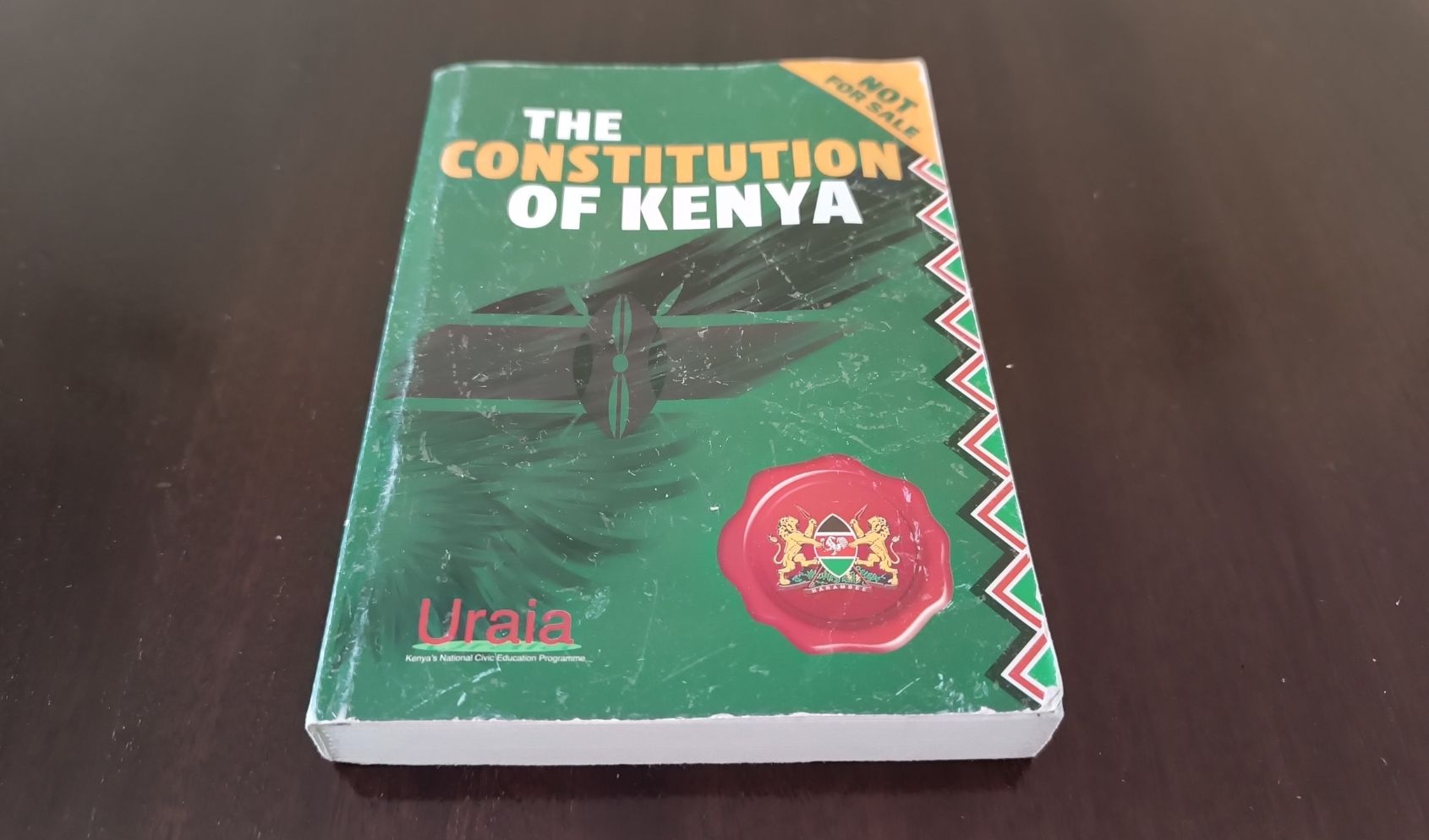
The Bill seeks to deepen devolution, enhance fiscal decentralisation, broaden political representation, and restructure executive functions. Proponents argue it will make devolution more effective, address longstanding grievances on resource sharing (especially in resource-rich or marginalized areas), promote inclusivity, and streamline national administration.
This comes amid ongoing debates on strengthening county governments, clarifying national-county relations, and adapting the 2010 Constitution to post-devolution realities. While some elements build on recent discussions (e.g., around development funds and Senate powers from 2025 bills), the 2026 proposal appears to consolidate ambitious reforms ahead of future electoral cycles.
Key Proposals in the Bill
- Devolution & Resource Sharing
Counties’ equitable share: 15% → 20% of national revenue
Equalisation Fund: extended to 30 years
New Ward Development Fund: min. 5% of county revenue
Natural resources: 15% to host counties + 15% to local communities
2.Political Representation
Add seats/quotas for youth, young adults, and persons with disabilities in National Assembly, Senate, county assemblies & executives
Create roles: Leader and Deputy Leader of the Official Opposition
Executive Restructuring
New offices: Prime Cabinet Secretary + Deputy Prime Cabinet Secretary
State Secretaries: 14–26 positions
Cabinet expanded: 22 → 26 Secretaries
Changes to appointment/vetting processes
The proposal aligns with efforts to refine the 2010 Constitution's devolution framework, which has been praised globally but criticized for implementation gaps like delayed funds and inter-governmental tensions. Recent related developments include clarifications on national-county coordination and entrenchment of funds like NG-CDF.
If passed, these changes could reshape Kenya's political landscape significantly by 2027 elections and beyond, emphasizing inclusive, decentralized governance.