
The funding, largely drawn from external sources, aims to modernize the city’s notoriously congested road network by replacing manual police control with smart technology at key junctions. This investment signals a strong government push to harness digital solutions for smoother urban mobility and reduced travel times in one of East Africa’s busiest capitals.
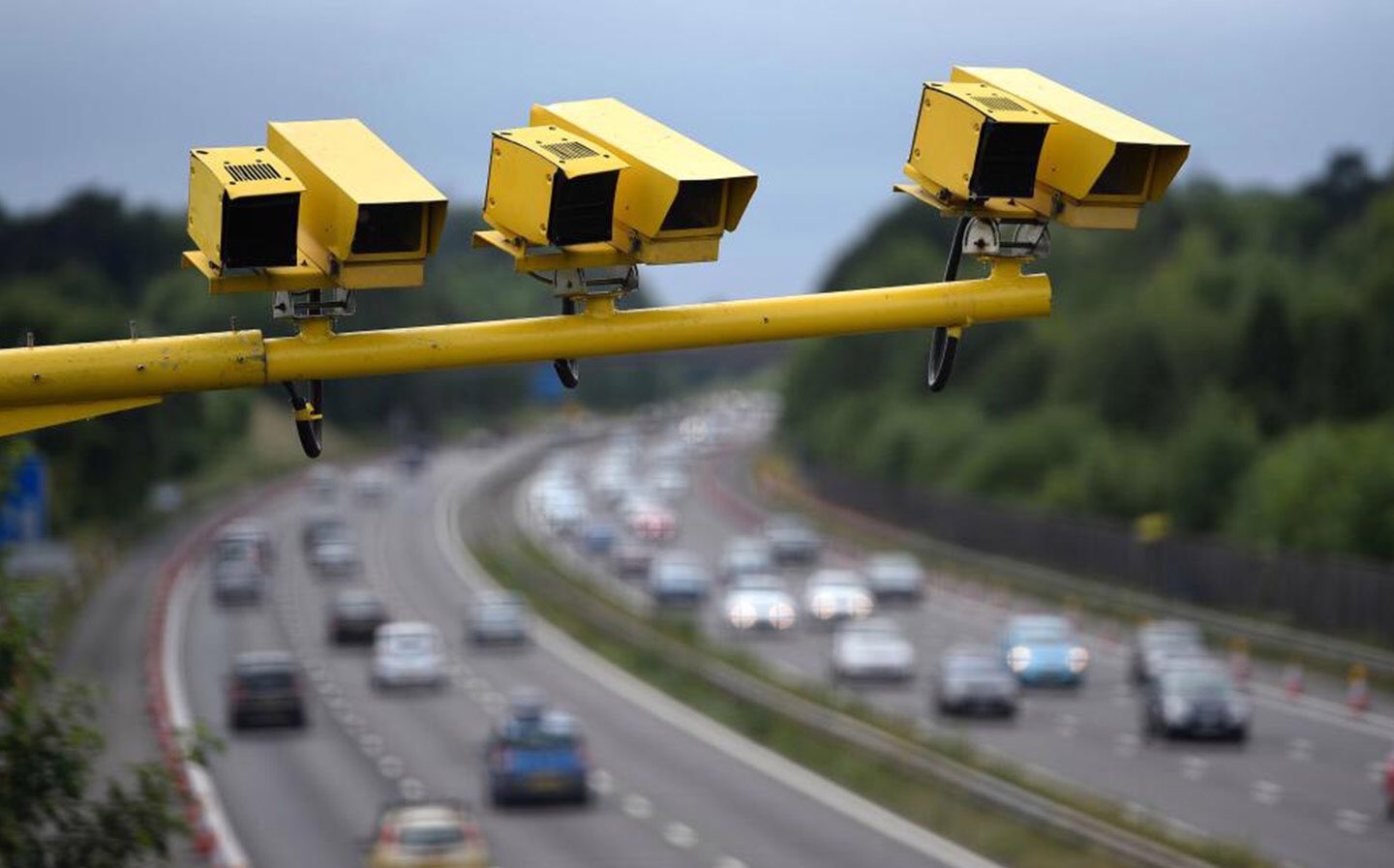
The new system will feature intelligent traffic signals capable of automatically adjusting timings based on real-time vehicle flow, alongside high-resolution cameras designed to monitor roads, detect violations, and support enforcement. Planners expect these upgrades to ease chronic gridlocks that currently cost the economy billions in lost productivity and fuel waste each year. By creating a centralized command center for data analysis, authorities hope to optimize routes, respond faster to incidents, and build a more efficient transport network for millions of daily commuters.
This rollout forms part of a broader smart city vision that could eventually cover dozens of major intersections, blending technology with urban planning to improve safety and order on the roads. Supporters view it as a forward-looking step that will benefit businesses, public transport users, and private motorists alike by cutting unnecessary delays and enhancing overall city livability. However, success will depend on effective implementation, public awareness, and integration with existing infrastructure.
As Nairobi embraces these innovations, the project reflects Kenya’s growing focus on technology-driven solutions to long-standing urban challenges. The Sh1.1 billion allocation brings renewed hope for tangible relief from traffic woes, potentially setting a benchmark for other cities in the region. Residents will be watching closely to see how quickly these AI tools translate into shorter commutes and a more organized transport experience.