
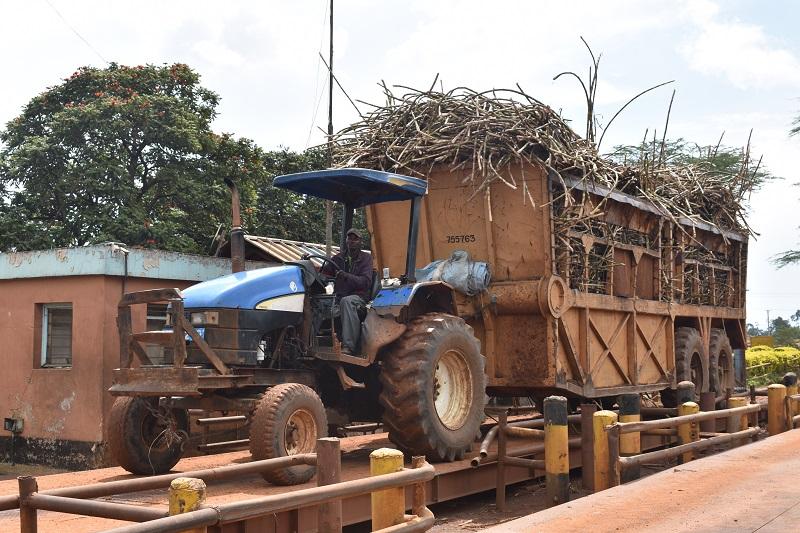
This move comes after the board decided to step in and adjust the rate, setting aside a higher figure that had been proposed earlier by the Sugarcane Pricing Committee. All sugar companies and other industry players have been instructed to follow this updated minimum without exception, aiming to bring clarity and consistency to transactions across the sector.
This adjustment seeks to strike a balance in an industry that supports thousands of families, especially in western Kenya where sugarcane farming remains a key source of livelihood. By fixing the floor price at this level, authorities hope to protect growers from overly low offers while considering the realities faced by millers, such as production costs and market conditions for refined sugar. The decision reflects ongoing efforts to stabilize the sugar value chain, which has seen fluctuations due to factors like weather patterns, import competition, and changes in local demand.
Farmers who rely on sugarcane for their income may find this rate provides some predictability in what they earn after months of hard work planting, tending, and harvesting the crop. Many have expressed concerns in the past about delayed payments or prices that fail to cover rising expenses for fertilizers, labor, and transport. The board’s intervention is intended to foster trust between growers and processors, encouraging more people to invest in the crop and helping the country move closer to self-sufficiency in sugar production rather than depending heavily on imports.
Looking ahead, this development forms part of broader reforms in Kenya’s sugar sector aimed at improving efficiency and fairness for everyone involved. Regular reviews of pricing are expected to continue so that rates can respond to real market shifts without causing sudden disruptions. Stakeholders, including farmer groups and mill operators, will be watching closely to see how the new minimum affects planting seasons, factory operations, and overall output in the coming months. The goal remains a more vibrant and sustainable industry that benefits rural communities while meeting national needs.