
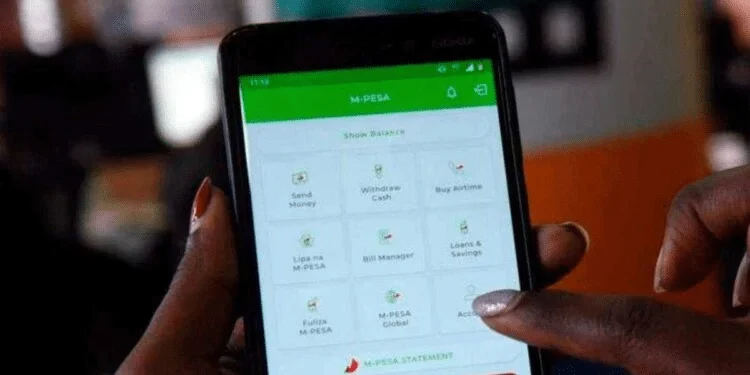
This marks a sharp rise from the previous average of Sh2.7 billion, highlighting how deeply embedded mobile overdraft facilities have become in everyday financial life. What started as a convenient tool for bridging short-term cash gaps has evolved into a staple for millions navigating the pressures of daily expenses, business needs, and economic uncertainty in a fast-paced digital economy.
The dramatic increase underscores both the service’s widespread adoption and the underlying financial realities many households and small enterprises face. Easy access via mobile phones has removed traditional barriers to credit, allowing users to complete transactions even when funds run low. However, this convenience comes with growing concerns about debt cycles, as frequent borrowing can accumulate fees and interest, potentially straining users who rely on it as a financial lifeline rather than an occasional buffer.
Economists view the surge as a double-edged indicator of Kenya’s digital financial revolution. On one hand, it demonstrates impressive financial inclusion and the vibrancy of mobile money ecosystems. On the other, it raises questions about household debt sustainability and the long-term impact on savings habits. The jump from Sh2.7 billion to Sh4 billion daily reflects not just greater trust in the platform but also persistent inflationary pressures and income volatility that push citizens toward quick-credit solutions.
As Fuliza continues to reshape personal finance patterns, regulators, financial institutions, and users alike are paying closer attention to responsible lending practices. The service’s explosive growth signals strong demand for flexible credit tools, yet it also calls for enhanced financial literacy to ensure borrowers harness its benefits without falling into unsustainable debt traps. The coming years will likely test whether this borrowing boom fuels economic resilience or exposes deeper vulnerabilities in Kenya’s consumer finance landscape.