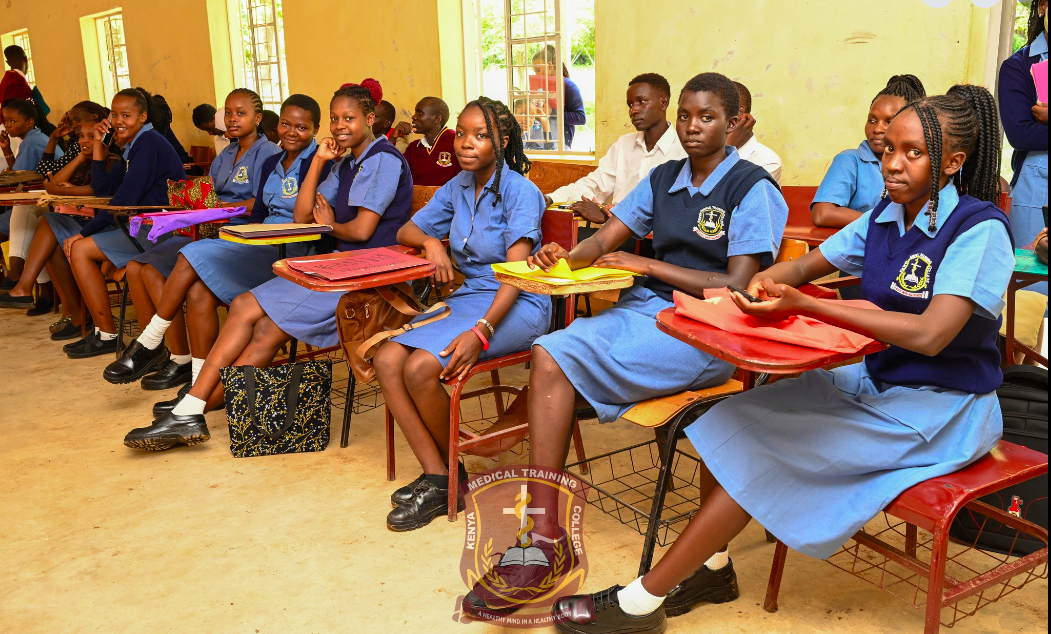
The institution has started offering classes in foreign languages at its various campuses. Students can now learn French, German, Arabic, and Amharic as part of their regular training. This move aims to make young health workers more competitive in the global job market where language skills often open important doors.
Many KMTC graduates have shown strong interest in working in countries across Europe, the Middle East, and other parts of Africa. By adding these languages to the curriculum, the college is helping students communicate more effectively with patients and colleagues in those places. For example, German could be useful for opportunities in Germany and other German-speaking nations, while Arabic and Amharic may support work in Middle Eastern and East African countries. French remains valuable across several regions where medical staff are needed.
This decision forms part of KMTC’s wider plan to improve the chances of its students finding good jobs internationally. The college already offers more than 120 professional courses in health fields. Combining medical training with language skills gives graduates an extra advantage when applying for positions abroad. Officials believe this will reduce unemployment among trained health workers and allow them to gain valuable experience in different healthcare systems.
The introduction of these language programs has been welcomed by students and education observers. It shows KMTC’s commitment to producing well-rounded professionals who can serve both locally and on the world stage. As Kenya continues to train more health workers than local opportunities sometimes allow, such forward-thinking steps help turn potential challenges into real career possibilities for the next generation of nurses, clinical officers, and other medical staff.