
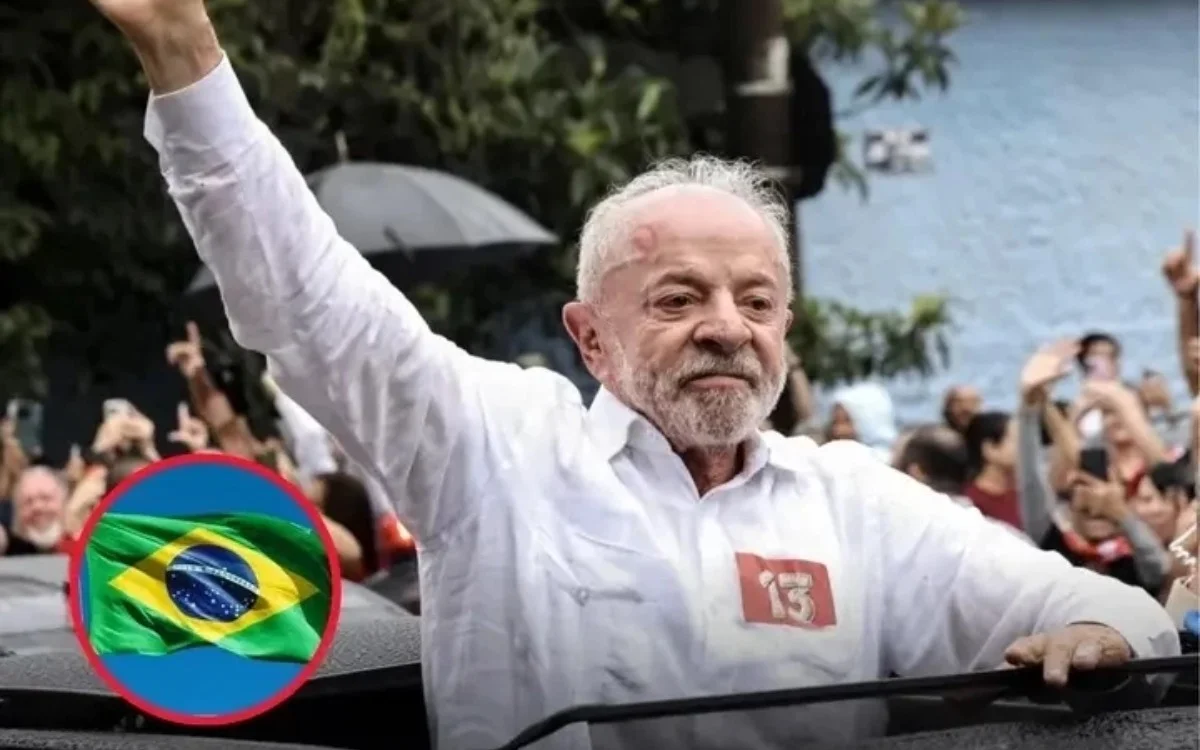
Brazilian President Luiz Inácio Lula da Silva has won another term in office after defeating right-wing challenger Flávio Bolsonaro in a tightly contested presidential runoff, extending his political comeback and setting the direction of the country’s leadership for the next four years.
Results released by Brazil’s Superior Electoral Court (TSE) on Sunday, October 25, showed Lula securing 51.79 per cent of the vote, compared with Bolsonaro’s 48.21 per cent. Lula received 64,256,232 votes, while his challenger garnered 59,826,041, giving the incumbent a lead of approximately 4.43 million votes.
The win gives Lula 80, a fourth non-consecutive presidential term, having previously led Brazil between 2003 and 2010 before returning to power in 2023.
His latest victory follows a challenging first round on October 4, when he finished behind Bolsonaro before securing enough support to prevail in the decisive second round.
However, the outcome has sparked political tension, with Bolsonaro refusing to concede defeat and threatening to challenge the result over concerns about the extension of voting hours at polling stations affected by transport difficulties and severe weather.
The allegations have not, on their own, established electoral fraud, and the electoral court has declared Lula the winner.
The election also carries implications for Brazil’s foreign policy, particularly its relations with Washington and its participation in BRICS, a grouping of major emerging economies.
Bolsonaro had indicated that he would pursue closer relations with US President Donald Trump and reconsider aspects of Brazil’s involvement in the bloc. Lula, by contrast, has emphasised international cooperation and stronger engagement with emerging economies.
Domestically, the president faces the task of addressing economic pressures, public security concerns, and persistent political divisions in a country where Bolsonaro continues to command substantial support.
Lula’s victory represents another significant milestone in a political career marked by both a return to power and fierce opposition. His next term will be closely watched as Brazil navigates domestic challenges and seeks to maintain its influence in global affairs.