
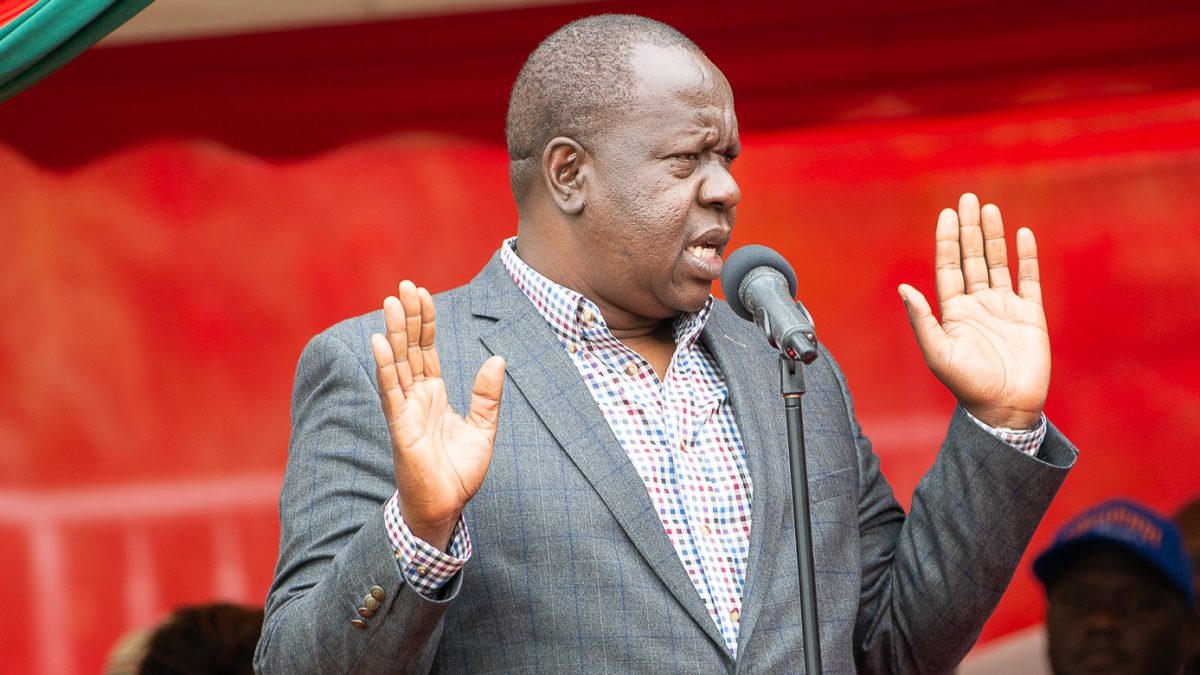
The Jubilee Deputy Party Leader described the policy as flawed and lacking proper evidence, urging authorities to suspend its rollout immediately. Under the new rules, private vehicles older than four years would face compulsory checks at a cost of KSh 2,000 each, with similar requirements for motorcycles and other categories like public service vehicles. This comes at a time when many citizens are already grappling with high living expenses.
Matiang'i raised several concerns about the initiative, questioning its potential to genuinely improve road safety and whether the authority has enough capacity to handle millions of vehicles without causing major inconveniences. He called for full public consultation, clear details on expected revenue, the number of affected vehicles, and safeguards against possible corruption or harassment of motorists. In his view, adding another compulsory fee without strong justification only adds pressure on households and businesses already facing challenges like rising fuel and insurance costs.
The policy, which NTSA says is supported by existing laws, aims to enhance vehicle standards across the country, where over six million vehicles are registered. Officials are working to establish more inspection centres to manage the demand. However, critics like Matiang'i argue that economic recovery should focus on job creation, fighting graft, and better services rather than new charges on citizens. Other leaders have also voiced similar worries about the additional burden on ordinary Kenyans.
As debates continue, many are watching to see if the government will engage the public more thoroughly before moving forward. The discussion reflects wider conversations about balancing safety improvements with the everyday financial realities faced by vehicle owners in the country. Proponents hope the inspections will reduce accidents, while opponents push for more transparency and alternatives that support rather than strain the economy.