
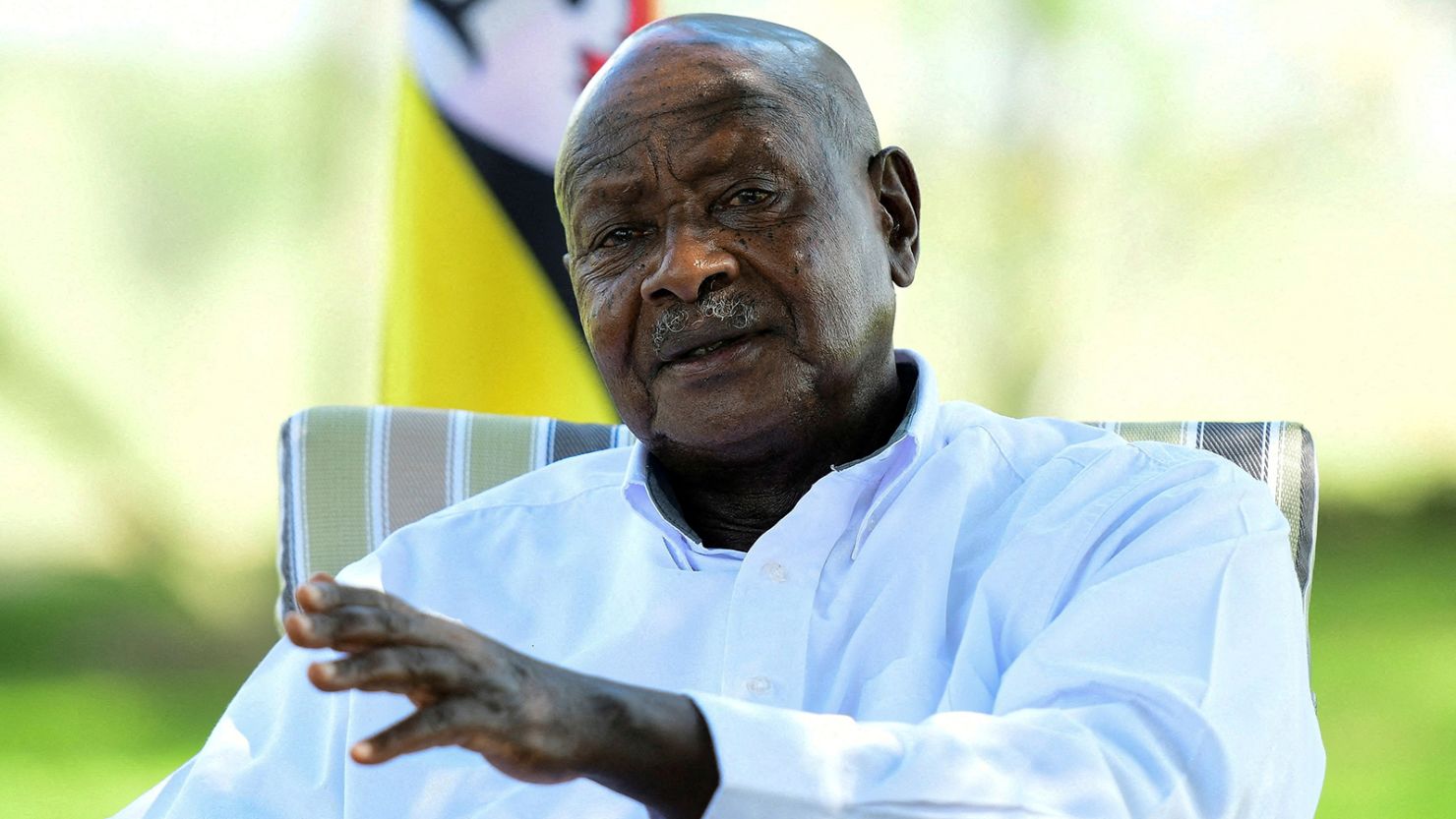
He suggested that people should avoid unnecessary journeys when the cost of fuel becomes too high. According to his remarks, individuals should simply remain at home rather than undertake trips that strain their budgets. This message, delivered in his characteristic direct style, has sparked varied reactions across the country.
In his statement, the president emphasized practicality in the face of economic pressures. He pointed out that many people continue to move around even when expenses are mounting, questioning the purpose of such travel. Museveni made it clear that he is not overly concerned about those who choose to ignore this guidance, implying that personal responsibility lies with each citizen. His words reflect a broader view that individuals must make sensible choices based on their financial situations, especially regarding transportation.
The comment comes at a time when many households in Uganda and across East Africa are feeling the pinch from fluctuating fuel prices. Factors such as global oil market trends, import costs, and local economic conditions often contribute to these increases. For ordinary citizens, higher fuel expenses translate into costlier public transport, elevated prices for goods, and tighter budgets overall. In response, some families have already begun adjusting their routines, limiting outings and prioritizing essential movements only.
While the president’s advice promotes restraint and careful spending, it also raises important questions about supporting citizens during challenging economic periods. Critics argue that leaders should focus on finding long-term solutions to reduce fuel dependency, such as improving public transportation systems or encouraging alternative energy sources. Supporters, on the other hand, see the message as a realistic reminder that governments cannot shield people from every market fluctuation, and adaptation is key to managing daily life.
Overall, Museveni’s remarks highlight the ongoing tension between personal economic decisions and national development goals. As fuel prices continue to influence daily activities, Ugandans are left to weigh the benefits of travel against its costs. Whether this advice leads to noticeable changes in behavior remains to be seen, but it certainly underscores the need for thoughtful resource management in uncertain times. Citizens and policymakers alike may find value in reflecting on how best to navigate these financial realities while pursuing progress.
This perspective encourages a balanced approach, where staying informed and making prudent choices can help individuals and communities thrive despite external pressures.