
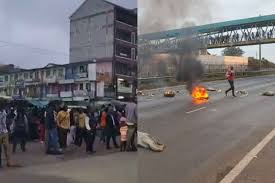
The industrial action, which began at midnight, left thousands of workers unable to reach their workplaces during peak hours, forcing many to walk long distances or seek costly alternatives. Major routes into the city centre were particularly affected, creating chaos and frustration as the new week got underway.
The strike was called by the Transport Sector Alliance in protest against the recent fuel price hikes announced by the Energy and Petroleum Regulatory Authority. Several large saccos, including Super Metro, Latema Travellers, Metro Trans, and Forward Travellers, suspended operations in solidarity, apologising to passengers for the disruption. Operators are demanding the reversal of the increases, a reduction of petrol and diesel prices to around Ksh 152 per litre, and broader reforms in fuel regulation.
The action forms part of wider discontent over rising living costs, with the Alliance arguing that expensive fuel is driving up food prices, electricity tariffs, and daily commuting expenses for ordinary Kenyans. While some operators joined the strike, police downplayed its scale, stating that many transport stakeholders had distanced themselves and that security had been enhanced to maintain normal activities.
As commuters scramble for solutions and the strike continues until further notice, the situation highlights the critical link between fuel costs and urban mobility. The standoff puts pressure on the government to address these concerns swiftly, while reminding everyone how quickly transport disruptions can ripple through daily life in a bustling city like Nairobi.