
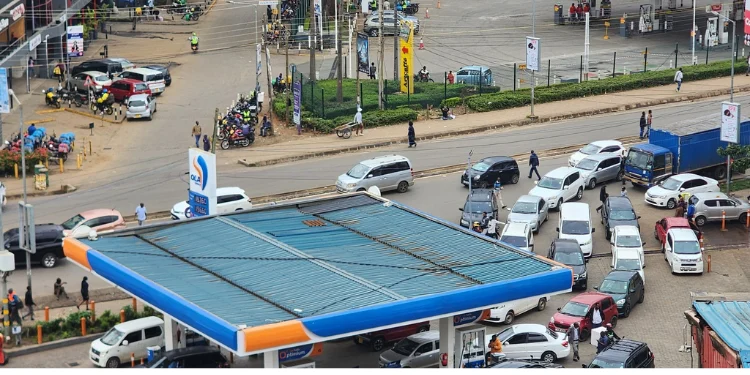
This situation has created long lines at the few stations that still have petrol or diesel, particularly in busy areas such as Westlands, the Central Business District, and South C. Motorists have spent hours waiting in these queues, disrupting daily commutes and business activities.
The shortage appears to stem from delays in clearing fuel shipments at the Port of Mombasa. These hold-ups have slowed down the movement of supplies into the country, causing stocks at many stations to run low. As a result, some outlets have limited the amount customers can buy, while others have closed their pumps completely until new deliveries arrive. The problem has affected not only private car owners but also public transport operators, leading to higher fares and inconvenience for many people who rely on matatus and taxis.
Prices have also risen sharply in response to the limited supply. While official rates remain around earlier levels, some stations and informal sellers have increased costs significantly, with reports of petrol reaching as high as 250 Kenyan shillings per litre in certain places. This sudden jump has added financial pressure on families and businesses already dealing with the challenges of finding fuel. Government officials have noted that national stocks are still available but have urged calm to prevent panic buying from making the situation worse.
The current fuel crisis highlights the need for smoother supply chains and better planning to avoid such disruptions in the future. As authorities work to clear the backlog at the port and bring in more supplies, residents hope the situation will improve quickly. In the meantime, many drivers are adjusting their routines, reducing unnecessary travel, and looking for alternative ways to move around the city until normal fuel availability returns. This event serves as a reminder of how important reliable energy supplies are to everyday life in a major urban centre like Nairobi.