
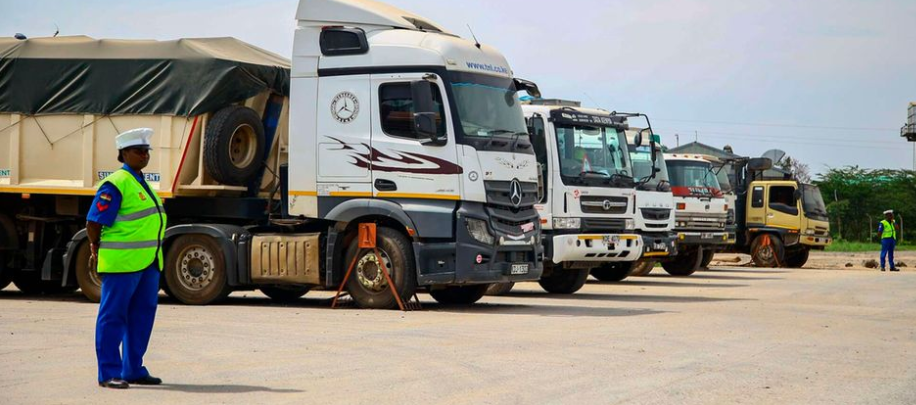
The Traffic (Amendment) Bill, 2026, which has been tabled in the National Assembly, seeks to end the current practice where vehicles can be held indefinitely until investigations or court cases are completed. Under the changes, vehicles detained for investigation purposes would only be kept for a maximum of 14 days.
The bill also makes a further distinction for cases where a vehicle is needed simply as evidence in court. If photographs, videos, or an assessment report can serve the same purpose, the vehicle should not be held for more than 48 hours. This measure is intended to reduce unnecessary inconvenience for vehicle owners, many of whom rely on their cars or motorcycles for daily work, business, or family needs. Prolonged impoundment has long been a source of frustration, with some owners reporting weeks or even months of waiting, leading to lost income and extra costs.
The proposal comes in response to frequent complaints from the public about vehicles being held for extended periods, sometimes without clear justification. Sponsors of the bill argue that strict timelines will encourage faster investigations while still allowing police to do their work properly. In addition, the law would require officers in charge of police stations to take reasonable care of any detained vehicle to prevent damage or loss while it is in custody.
If passed, the changes would mark a significant shift in how traffic offences and related matters are handled. Motorists hope the new rules will reduce opportunities for delays and make the system fairer and more efficient. As the bill moves through Parliament, many Kenyans will be watching closely to see whether it becomes law and brings the promised easing of pressure on ordinary drivers and transport operators across the country.