
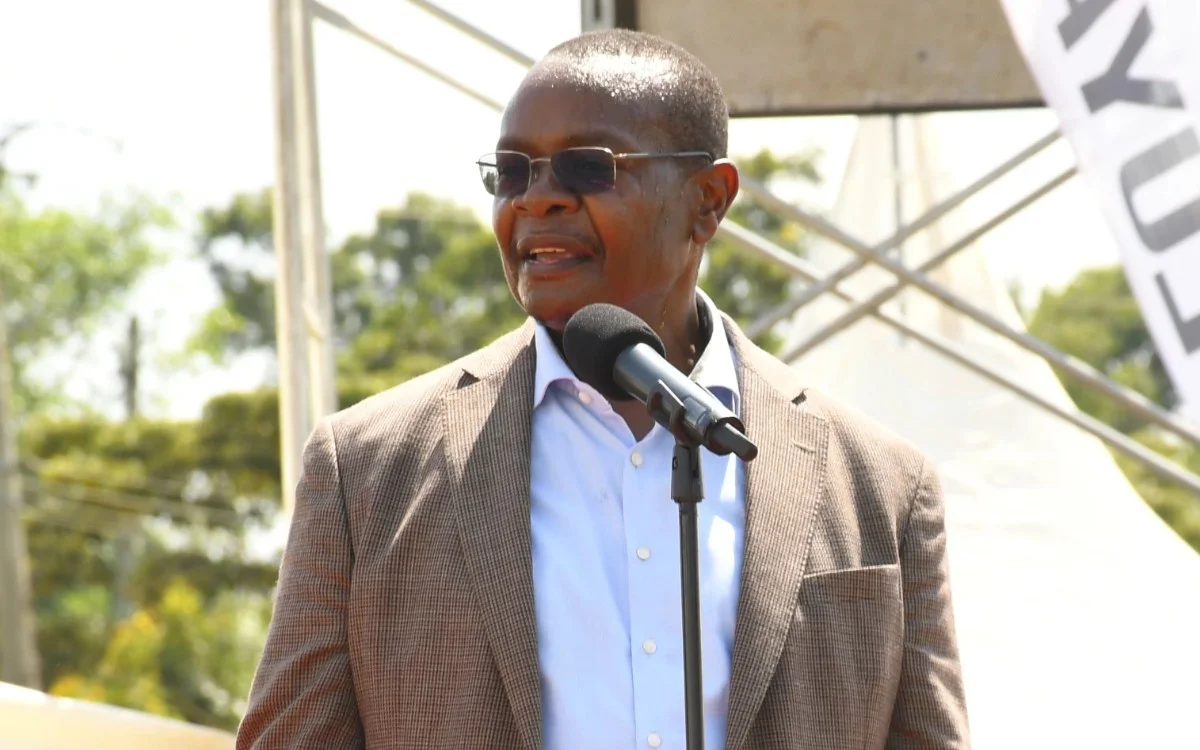
Nairobi Senator Edwin Sifuna's growing political prominence has drawn fresh scrutiny from Busia Governor Paul Otuoma, who believes the outspoken legislator may be moving too fast in his pursuit of the country's highest office.
Otuoma has questioned the timing of Sifuna's presidential ambitions, arguing that the senator is yet to attain the political maturity required to compete successfully for the presidency.
The governor made the remarks during a Western Media Joint Live Interview in Busia, where he hosted Prime Cabinet Secretary Musalia Mudavadi and Bungoma Governor Kenneth Lusaka.
In his assessment, Sifuna's growing popularity and outspoken political style do not necessarily translate into the national political strength needed to win a presidential election.
Otuoma further challenged Sifuna to build stronger political relationships with influential Western Kenya leaders already holding senior positions in government. He pointed to Mudavadi, National Assembly Speaker Moses Wetang'ula, Lusaka and other prominent regional figures, urging the Nairobi Senator to align himself with the leaders and work towards advancing the region's political interests.
The governor's message appeared to emphasise the importance of political alliances, experience and regional unity in building a credible pathway to national leadership. Rather than pursuing his ambitions in isolation, Sifuna was encouraged to engage established leaders whose political networks and experience could help strengthen his national outlook.
Sifuna has become one of the most visible figures in the Linda Mwananchi movement, which has sought to challenge established political leadership through a message centred on accountability, public participation and political change.
His rising profile has placed him at the centre of conversations about a possible presidential challenge in 2027, raising questions about whether the younger generation of politicians can break into the country's highest political office.
However, Otuoma's intervention highlights the growing differences over how Western Kenya should position itself in the next electoral contest and who should lead the community's political negotiations.
Prime Cabinet Secretary Mudavadi has similarly questioned Sifuna's prospects, maintaining that a presidential candidate must command support beyond traditional political strongholds and demonstrate the ability to mobilise voters across the country.
The unfolding debate reflects a broader struggle for political influence within Western Kenya, a region whose voting strength has remained an important factor in successive presidential contests.
While some leaders are advocating continued cooperation with President William Ruto's administration, others are pushing for a different political arrangement that could give the region greater influence in the next government.
For Sifuna, the criticism presents an opportunity to demonstrate that his political ambitions are backed by more than public enthusiasm. For established regional leaders, the debate raises questions about political experience, succession and who should guide the community's next political chapter.
Ultimately, the contest may determine not only the region's preferred presidential candidate but also the generation of leaders that will shape Western Kenya's political future.