
Nearly 25 years after the practice was outlawed, rising incidents of student unrest have pushed the topic back into the spotlight. Recent waves of strikes, property damage, and tragic dormitory fires have left many questioning if current disciplinary approaches are sufficient to maintain order. This renewed conversation reflects deep concerns about learner safety and the overall state of discipline in educational institutions across the country.
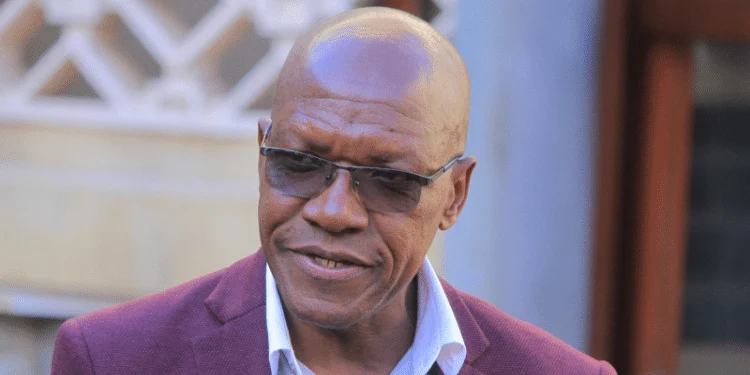
Kakamega Senator Dr. Bonny Khalwale stands among those advocating for stronger measures to restore authority in schools facing persistent challenges. Supporters believe that the absence of caning has contributed to weakened discipline, leading to destructive behaviors among students. The debate gained fresh urgency following the heartbreaking fire at Utumishi Girls Senior School in Gilgil, Nakuru County, where 16 learners tragically lost their lives in what authorities suspect was arson. Such events have sparked national soul-searching on how best to protect students while fostering a conducive learning environment.
Opinions in Parliament remain sharply divided on the way forward. While some members, including voices from the Kenya Women Parliamentary Association, push for the return of physical punishment, others strongly oppose it, warning that it could undermine child rights and progress made in humane education practices. Critics emphasize the need for enhanced guidance and counselling services, better school infrastructure, and tackling underlying issues like examination pressure and overcrowding. Since the 2001 ban under the Children’s Act, the focus has shifted to non-violent methods, though many schools struggle with limited resources to implement them effectively.
The conversation has now broadened beyond the chambers of Parliament, drawing in parents, teachers, religious leaders, and education experts from around the country. Many agree that indiscipline is a serious problem but stress the importance of addressing root causes rather than relying solely on punitive actions. As investigations into recent tragedies continue, Kenya stands at a crossroads in shaping the future of school discipline. Whatever path is chosen could significantly influence education policies and the well-being of learners for years to come.