
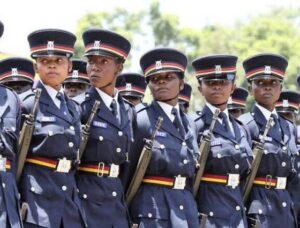
The case, now before the Employment and Labour Relations Court, questions whether the National Police Service can sideline female candidates solely because they are expecting children. Filed against top officials including Inspector-General Douglas Kanja and the National Police Service Commission, the petition highlights deeper issues of gender equality and reproductive rights within Kenya’s security forces. This legal battle could set important precedents for how public institutions handle pregnancy during recruitment and training.
The controversy erupted following the nationwide recruitment drive late last year, which brought thousands of new constables into service. After receiving official appointment letters and clearing multiple selection stages, the women reported to the National Police College at Kiganjo. Routine medical examinations soon revealed their pregnancies, leading to swift discontinuation from the program. According to the petitioners, these women were already pregnant before joining, and their dismissal came without any opportunity to explain their situation or appeal the decision. The activists argue that treating pregnancy as grounds for removal amounts to unfair discrimination rather than a legitimate health concern.
Supporters of the recruits, including the National Gender and Equality Commission, emphasize that Kenya’s constitution protects women from such treatment and calls for fair, humane policies. They suggest practical solutions like temporary deferment until after delivery and recovery, rather than outright rejection. Meanwhile, police authorities maintain that the physically demanding nature of training – involving intense drills, obstacle courses, and weapons handling – poses real risks to both mother and child. They describe the move as a protective measure, not punishment, though critics question whether clear guidelines exist for such cases.
As the case awaits its next mention in early June, it has ignited wider conversations about balancing institutional discipline with constitutional protections. For many young Kenyan women dreaming of careers in uniform, the outcome could determine whether pregnancy becomes a barrier to public service or an accepted part of life’s journey. Beyond the individual stories, this challenge pushes authorities to review outdated practices and create clearer frameworks that respect both operational needs and human dignity in the disciplined forces.