
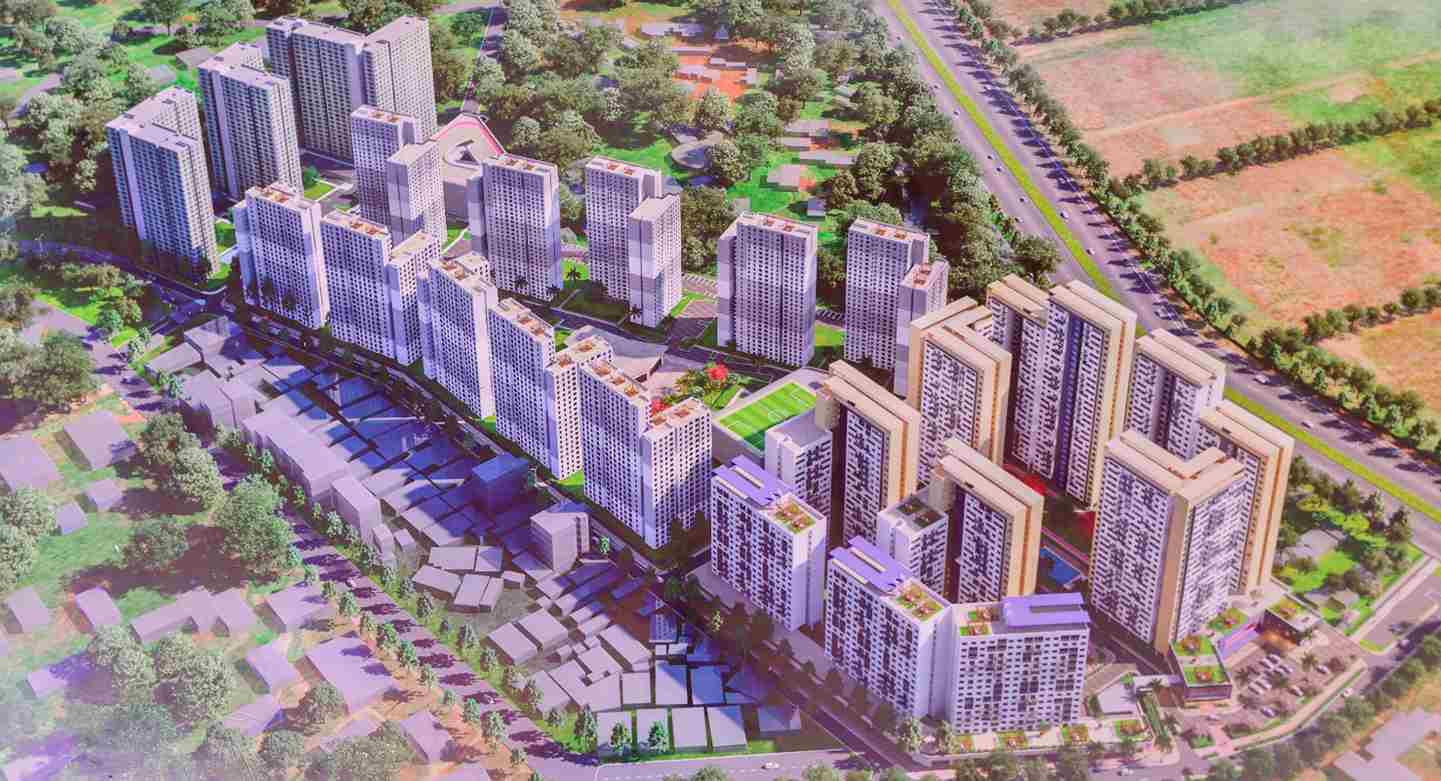
With public sector efforts flooding the residential space, many builders are seeking better returns in offices, retail spaces, and mixed-use developments. This strategic shift reflects broader economic realities where competition from state-backed housing programs is prompting a rethink of investment priorities across the capital.
In the first quarter of 2026, approved commercial building plans surged by 44 percent, reaching Sh21 billion. This notable uptick highlights growing confidence in non-residential sectors amid steady demand for modern business infrastructure. At the same time, residential project approvals dipped by 10 percent to Sh41 billion, signaling a cooling in private housing developments. The contrast underscores how policy interventions are influencing where capital flows in Kenya's dynamic property market.
Experts point to several factors driving this change, including high construction costs and the saturation of certain residential segments due to government projects. Developers are now eyeing opportunities in areas with strong commercial potential, such as emerging business districts and zones benefiting from improved infrastructure. This move could help balance the city's growth by fostering vibrant economic hubs while the affordable housing push addresses the pressing need for accessible homes for ordinary citizens.
As Kenya navigates these evolving trends, the real estate sector remains a key pillar of national development. The current pivot may lead to a more diversified urban landscape, with commercial spaces supporting job creation and innovation. For investors and policymakers alike, understanding these shifts will be crucial in shaping sustainable growth strategies that benefit both businesses and residents in the years ahead.