
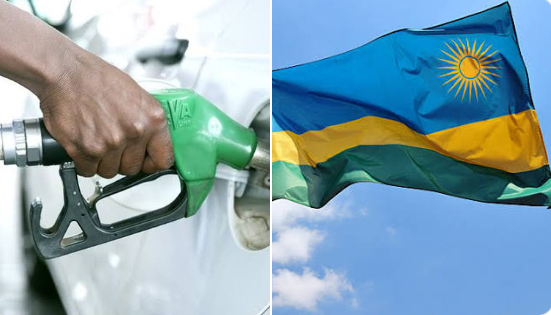
Officials from the Rwanda Mines, Petroleum and Gas Board confirmed the presence of 13 structural pockets that show signs of hydrocarbons beneath the lake, which forms part of the country’s border with the Democratic Republic of Congo. This marks the first time such indications have been recorded in Rwanda following more than a decade of exploration efforts. The findings emerged from a two-dimensional seismic survey carried out between 2021 and 2022, raising hopes that the country could eventually join the list of oil-producing nations in the region.
Francis Kamanzi, the chief executive of the Rwanda Mines, Petroleum and Gas Board, described the results as encouraging during a presentation to parliamentarians. He noted that Lake Kivu appears deeper than some neighboring lakes, which could mean greater potential for reserves compared to similar areas in Uganda and the Democratic Republic of Congo. The discovery comes on top of Rwanda’s existing work extracting methane gas from the same lake for electricity generation. While the initial data points to promising locations for further checks, authorities have stressed that this is still at an early stage and not yet a confirmed commercial oil reserve.
The next phase of work will concentrate on determining the actual volume of any oil present and calculating the expenses involved in bringing it to the surface. Deeper drilling and more detailed studies are required to evaluate the quality of the resources and whether they can be developed profitably. The board has invited interested international companies to take part in advanced exploration, including three-dimensional seismic mapping and test drilling. Collaboration with partners will be essential, especially given the technical challenges of working in a deep lake environment shared with a neighboring country.
This development could open new economic opportunities for Rwanda if the reserves prove viable. Successful oil production might help reduce reliance on imported fuels, support industrial growth, and generate additional government revenue. At the same time, careful management will be needed to balance energy gains with environmental protection around Lake Kivu, which is already valued for its unique ecology and tourism appeal. As the assessment continues, the country’s authorities remain optimistic about the long-term benefits while proceeding with the caution required for any major resource project.