Senate Turns Up Heat Over KSH 1B in Expired Medicines
By Emmanuel Jumaah
NAIROBI, Kenya —A KSh1 billion question is now hanging over Kenya’s public health supply chain: How did medicines meant for patients end up expiring in storage?
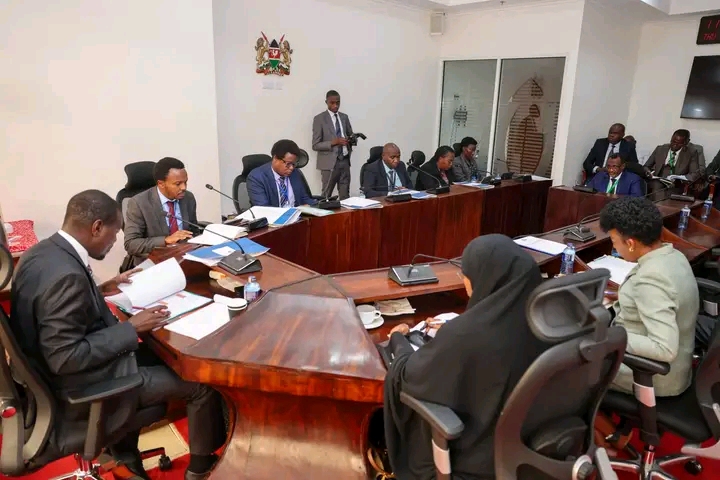
The Senate is seeking answers over reports that pharmaceutical products and medical supplies worth about KSh1 billion expired while in the custody of the Kenya Medical Supplies Authority (KEMSA)
The issue was raised in the Senate by Murang’a Senator Joe Nyutu, who in June called for an investigation into the reported losses.
Nyutu asked the Senate Health Committee to establish exactly what expired, how much it was worth, when the products expired, and where they were stored.
The list reportedly included supplies used in managing cancer, HIV/AIDS, malaria, and other serious illnesses.
That has raised an uncomfortable question for Kenya’s public health system: Could some of the medicines have reached patients before their expiry dates?
The Senate wants to know.
Lawmakers are seeking answers on whether weaknesses in procurement, forecasting, storage, stock monitoring, or distribution contributed to the expiry.
They also want to establish whether health facilities were experiencing shortages of any of the same commodities while the products were sitting in warehouses.
The concern is not entirely new.
Previous parliamentary scrutiny of KEMSA has raised questions about stock management and wastage arising from expired medicines. A parliamentary report recommended stronger controls over procurement, storage, accountability, and the disposal of expired pharmaceutical products.
But the latest figure has put the spotlight back on the authority and the wider public health supply chain.
For taxpayers, the issue is straightforward: money was spent to buy medicines. For patients, the question is even more basic — why were those medicines not available when they were needed?
The Senate inquiry is expected to provide the missing details, including the exact value and quantity of the expired stock and the circumstances that led to its expiry.
Until those findings are made public, the KSh1 billion figure remains a reported amount under investigation rather than a final determination of loss.
What is clear, however, is that the expiry of essential medical supplies has reopened a long-running debate over how Kenya buys, stores, and distributes medicines meant for the public.