
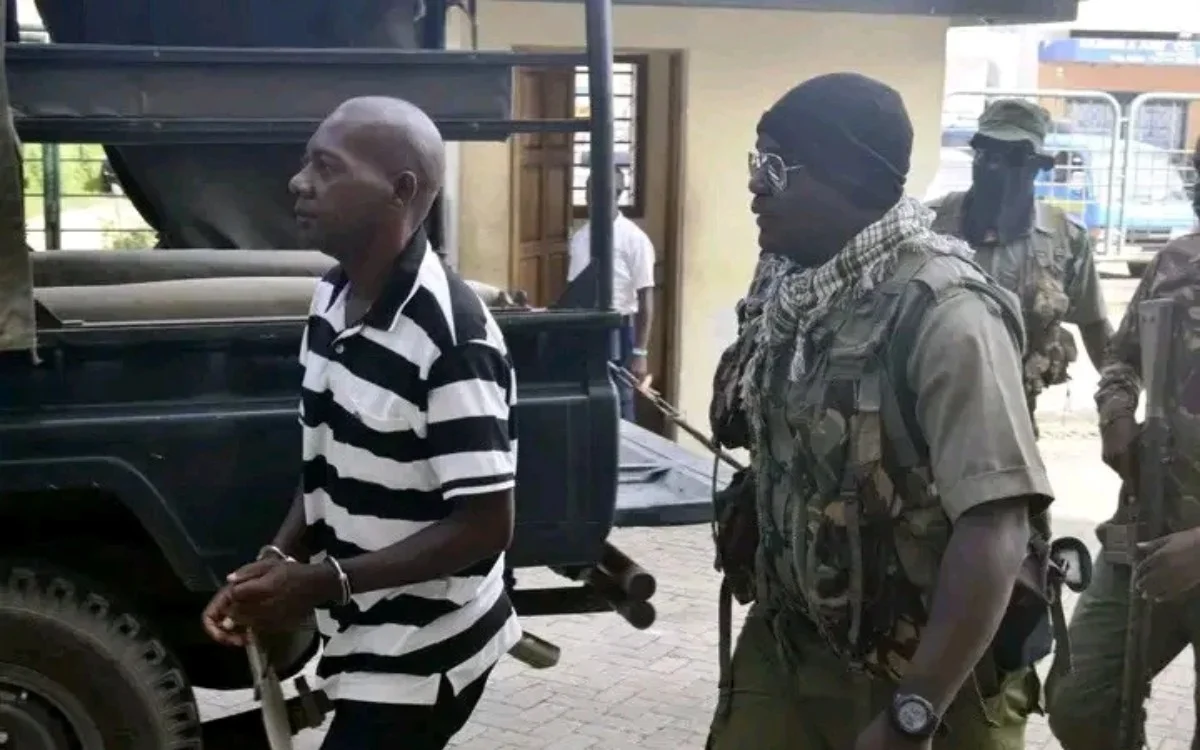
MOMBASA, Kenya — Controversial preacher Paul Nthenge Mackenzie and 30 co-accused are facing a crucial moment in the Shakahola mass killings case as the High Court in Mombasa delivers its judgment over 191 murder charges.
Justice Diana Kavedza-Mochache began reading the judgment on Monday, October 19, 2026, in a case that has drawn national attention over allegations of religious extremism and the deaths of hundreds of followers in Kilifi County.
The charges relate to the deaths of 191 children whose bodies were recovered from mass graves in Shakahola Forest. Prosecutors allege that the accused acted jointly in a scheme linked to the teachings of Mackenzie’s Good News International Church.
The prosecution told the court that followers were allegedly persuaded to undertake prolonged fasting in the belief that they would meet Jesus. The trial also examined allegations that followers were discouraged from accessing education and medical treatment.
Prosecutors presented witness testimony and forensic evidence to support the charges, while the defence had an opportunity to challenge the allegations and present its case.
The 191 murder counts concern 11 identified children and 180 children whose identities had not been established, according to prosecution records. The alleged offences span the period between January 2021 and September 2023.
The case took a significant turn when co-accused Enos Amanya, alias Hallelujah, pleaded guilty to all 191 murder counts. His alleged role in the Shakahola operation included digging graves and enforcing the group’s rules.
The court also examined the nature of Good News International Ministries and its teachings. In her remarks, Justice Kavedza-Mochache described the movement as an apocalyptic or doomsday cult, citing characteristics established through the evidence presented.
The Shakahola tragedy came to light in 2023 after reports of starvation among followers prompted investigations and the excavation of mass graves in the forest. More than 400 bodies have since been recovered in connection with the wider tragedy.
The judgment marks a significant stage in efforts to establish criminal responsibility for the deaths and deliver justice to victims and their families.