
Launched from Florida's Cape Canaveral Space Force Station on February 13 aboard a Falcon 9 rocket, the spacecraft completed a roughly 34-hour journey before autonomous docking at the Harmony module's space-facing port around 3:15 p.m. EST. The arrival restored the ISS to its standard crew complement of seven, following an earlier medical-related early return of part of the previous team that had left the station temporarily understaffed.
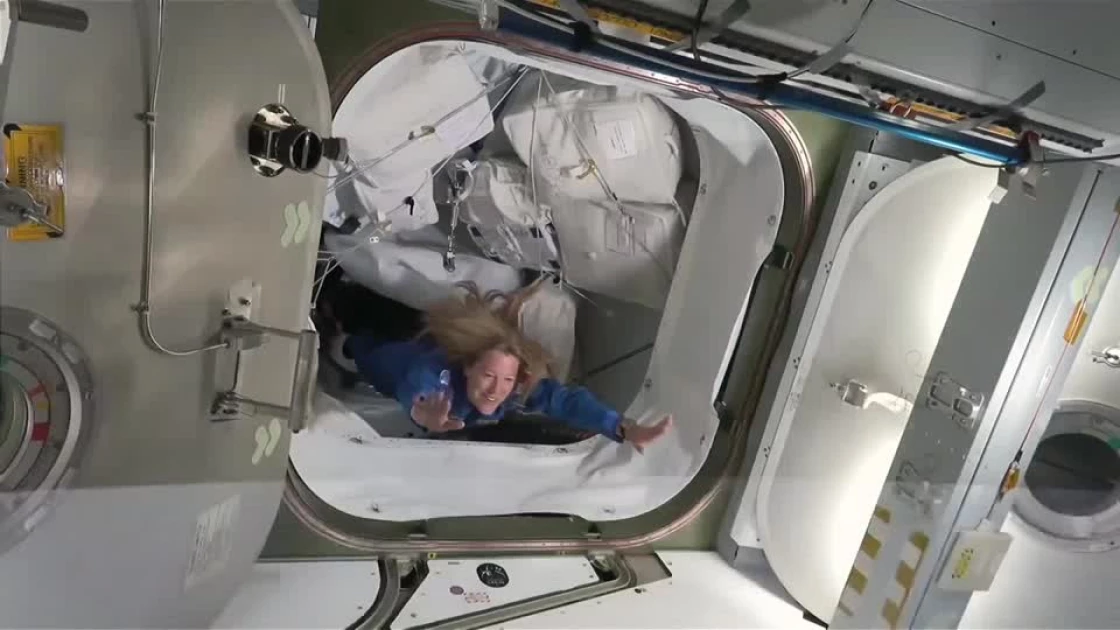
The diverse Crew-12 team includes NASA astronauts Jessica Meir (mission commander, a veteran on her second long-duration flight) and rookie Jack Hathaway, ESA (European Space Agency) astronaut Sophie Adenot (a French helicopter pilot making her first spaceflight), and Roscosmos cosmonaut Andrey Fedyaev (a veteran on his second mission). They were welcomed aboard by the three remaining ISS occupants: NASA astronaut Chris Williams and Roscosmos cosmonauts Sergey Kud-Sverchkov and Sergei Mikaev. After standard leak checks and hatch opening, the new arrivals floated into the station to begin their work conducting microgravity experiments aimed at advancing human space exploration.
This mission marks the 12th long-duration crew rotation that NASA has flown with SpaceX since the company's Crew Dragon began transporting U.S. astronauts to the ISS in May 2020. Founded by Elon Musk in 2002, SpaceX has become a key partner in sustaining operations on the orbiting laboratory, which is a collaborative effort involving the U.S., Russia, Canada, Japan, and multiple European nations. The Crew-12 astronauts are expected to remain aboard through approximately October 2026, contributing to ongoing scientific research in low Earth orbit.