
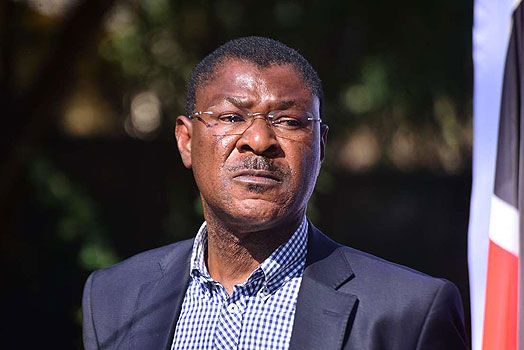
Despite approaching Independent Electoral and Boundaries Commission (IEBC) officials for clarification and assistance, he was ultimately unable to cast his vote. The incident drew attention amid high turnout from prominent lawyers, including figures like Senator Edwin Sifuna, Governor Mutula Kilonzo Jr., and Martha Karua, as the LSK held its biennial polls to elect new leadership, including the president, with candidates such as Peter Wanyama, Charles Kanjama, and Mwaura Kabata vying for top positions.
IEBC official Dr. Owiso Owiso explained that Wetang'ula's exclusion stemmed from statutory requirements rather than any administrative mistake. As a serving state officer—the Speaker of the National Assembly—Wetang'ula is exempt from certain ongoing professional obligations imposed on active advocates under the Law Society of Kenya Act. Specifically, state officers do not maintain a valid practicing certificate (PC), which is mandatory for full practicing membership in the LSK. According to the Act's provisions on membership rights, only paid-up members holding a practicing certificate enjoy full privileges, including the right to vote in LSK elections. Non-practicing members retain some rights but are barred from voting or contesting offices. Wetang'ula, having held high public office, does not possess an active PC, disqualifying him from the voter roll unless he opts to resume private practice and obtain one.
This technical disqualification highlights the separation between active legal practice and public service roles in Kenya's legal framework. The LSK elections, managed by the IEBC with over 18,000 eligible advocates expected to participate across designated court polling centers, underscore the society's emphasis on active practitioners for its internal governance. Wetang'ula's situation serves as a reminder of the professional restrictions state officers face to avoid conflicts of interest, even as they remain qualified advocates by training. The voting process continued smoothly otherwise, with results anticipated soon after tallying concludes.