
The strike stemmed from long-standing grievances over unpaid salaries, redundancy packages, pensions, and other terminal benefits amounting to approximately KSh 10.8 billion, some of which date back three years. Workers had accused the government of failing to honor commitments made during the leasing of the factories to private operators, insisting the debts remain a state responsibility rather than one for the lessees.
In the breakthrough meeting, the government agreed to disburse an initial KSh 1 billion within the next two weeks to alleviate immediate financial pressures on the affected workers. The balance of the arrears will be cleared progressively through the upcoming Supplementary Budget and future national budgets, subject to parliamentary approval.
CS Kagwe emphasized the government's acceptance of full responsibility for the obligations, stating: "Payments will continue to be made in phases, covering salary arrears, redundancy dues, pensions and other terminal benefits." He further appealed to lawmakers—especially those from sugar-belt constituencies—to fast-track approval of the necessary funds in the Supplementary Budget to permanently stabilize the sector.
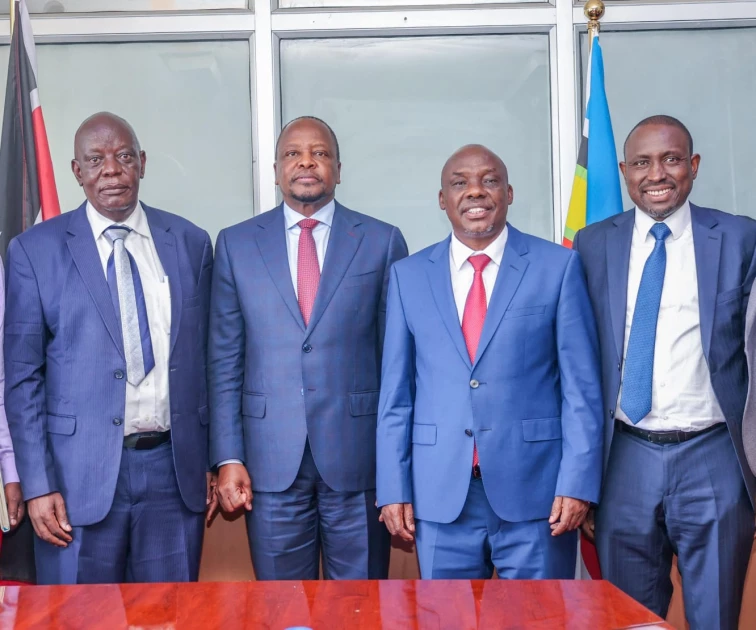
Key participants in the talks included Agriculture Principal Secretary Dr. Kipronoh Ronoh, Sugar Board of Kenya CEO Jude Chesire, Sugar Transition Committee Chair Harun Khator, and KUSPAW leadership led by General Secretary Francis Wangara.
The phased approach aligns with earlier government pledges during the factory leasing process, which had scheduled repayments between October 2025 and June 2026. By halting the strike, both sides aim to restore production in the vital sugar industry while addressing the workers' legitimate claims without further disruption.
This resolution comes amid broader labor tensions in Kenya, but represents a positive step through dialogue in one of the country's key agricultural sectors.