
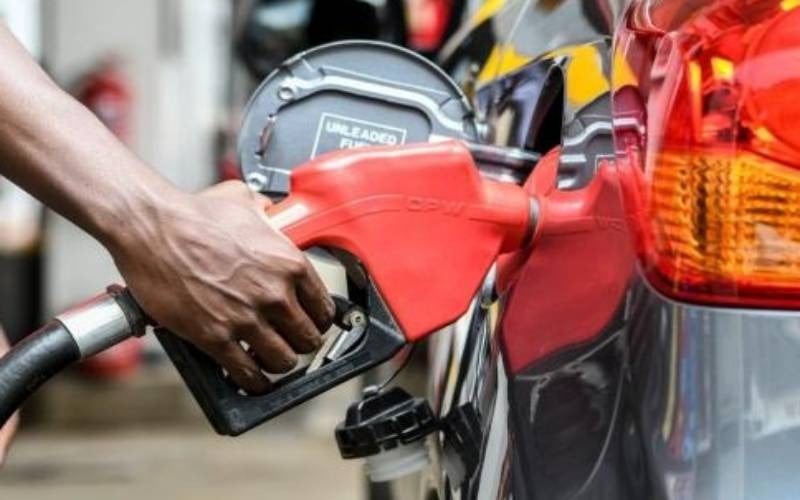
Super petrol has gone up by Ksh 16.65 per litre while diesel has risen by Ksh 46.29 per litre, with kerosene prices holding steady. The new rates, effective from May 15 to June 14, 2026, reflect the latest adjustments driven by movements in global oil markets and currency fluctuations. Many households and businesses are already feeling the pressure from high living costs, making this hike particularly challenging.
In Nairobi, super petrol will now retail at Ksh 214.25 per litre and diesel at Ksh 242.92 per litre. Similar increases apply in other major centres, with Mombasa recording super petrol at Ksh 211.09 and diesel at Ksh 239.64, while Nakuru sees super petrol at Ksh 213.15 and diesel at Ksh 242.33. These changes come after an earlier April review that also pushed prices higher before some partial relief was applied. The adjustments include value-added tax and other statutory requirements, leaving consumers exposed to both international trends and local policy decisions.
To help cushion the impact, the government is deploying around Ksh 5 billion from the Petroleum Development Levy Fund to subsidize diesel and kerosene during this period. This intervention aims to limit further escalation for critical sectors such as public transport, logistics, and agriculture. Nevertheless, the steep diesel increase has raised concerns about knock-on effects on food transportation costs and overall inflation. Many Kenyans continue to call for more sustainable measures to stabilise fuel prices amid repeated upward revisions.
As the new prices kick in at midnight, drivers are bracing for higher transport fares and increased business expenses. The situation highlights Kenya’s vulnerability to external oil price volatility and exchange rate pressures. While short-term subsidies provide some breathing room, long-term solutions focused on energy diversification and efficiency could offer greater stability for consumers in the months ahead.