
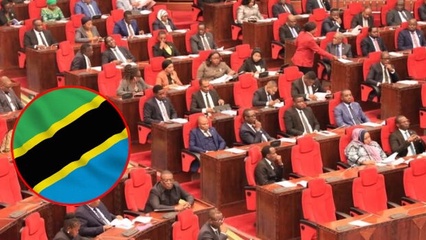
The tests were conducted as part of the selection process to fill Tanzania's vacant seats in prestigious bodies such as the Pan-African Parliament (PAP), the Inter-Parliamentary Union (IPU), and the International Conference on the Great Lakes Region (ICGLR) Parliamentary Forum. These positions became available following the end of the 12th Parliament's term, and English fluency was deemed a non-negotiable requirement. As the primary working language in these multilingual international arenas, proficiency ensures effective participation in debates, policy drafting, and cross-border collaborations.
Among those who faltered was Bakari Shingo, the MP for Ukonga constituency. Shingo, who was vying for a spot in the Pan-African Parliament, struggled during the assessment and ultimately withdrew his candidacy. Video footage from the session, which has since circulated widely on social media, shows Shingo attempting to introduce himself and present his case in English, with repeated hesitations and phrases like "Excuse me" and "I'm Bakari Shingo from Mokonga... I here to present a member." The clip, overlaid with headlines from local media outlet The Citizen, highlights the moment as "English proficiency test forces Tanzanian MP to exit international delegate race."
According to reports, Shingo's inability to meet the required standards barred him from proceeding, underscoring the practical challenges of representing a Swahili-dominant nation on English-heavy global stages. Tanzania ranks 77th out of 116 countries in the 2025 EF English Proficiency Index, placing it in the "Low Proficiency" category – a statistic that adds context to the parliamentary drama. While Shingo's withdrawal was described in some quarters as a professional step rather than a failure, it has ignited calls for better language training within the legislature. Observers suggest Parliament should invest in structured English programs to ensure that representation hinges on policy expertise rather than linguistic barriers.
The incident has not gone unnoticed regionally, with Kenyan media outlets amplifying the story and social media users sharing clips for both humor and critique. It raises broader questions about colonial linguistic legacies in African governance, where English often serves as a gatekeeper to international influence despite many nations' rich indigenous languages. As Tanzania moves forward with its selections, this episode may prompt reforms to better prepare MPs for the global arena, ensuring the country's voice is heard without stumbling over words.