
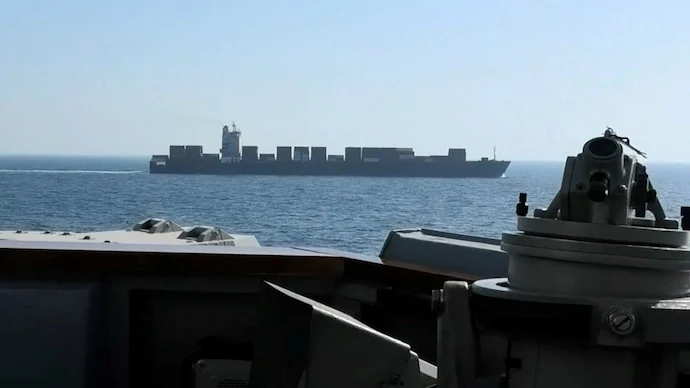
The incidents involved ships flagged under Panama and Liberia, with the Iranian Revolutionary Guard taking custody and escorting them toward Iranian waters. This move came shortly after US President Donald Trump announced an indefinite extension of a ceasefire with Iran, citing the need for Tehran to present a unified proposal for renewed talks. The waterway, which carries a significant portion of global oil shipments, remains a central point of friction as both sides maintain pressure through naval measures.
The United States has enforced a naval blockade on Iranian ports since April 13, aimed at restricting oil exports and putting economic strain on Iran. American forces have reportedly turned back dozens of vessels attempting to enter or leave Iranian waters, with officials stating the action targets shipments linked to Iran while preserving freedom of navigation for other routes. Iran views the blockade as a breach of the ceasefire and has responded by keeping the Strait of Hormuz largely closed, arguing that reopening it fully is not possible under current conditions. Iranian leaders, including Parliament Speaker Mohammad Ghalibaf, have accused the US of undermining diplomatic efforts through continued restrictions and related actions.
President Trump has described the blockade as highly effective, claiming it is costing Iran hundreds of millions of dollars daily and weakening the regime financially. He expressed willingness to resume negotiations soon but maintained that the pressure would continue until a satisfactory agreement is reached, including steps on Iran’s nuclear program. Meanwhile, Iranian officials have blamed the US for the breakdown in planned talks in Pakistan and insisted they will not negotiate under what they call coercive tactics. The situation has complicated broader ceasefire arrangements, with divisions appearing even within US political circles over how to proceed.
The developments have already influenced global markets, pushing oil prices higher due to fears over disrupted energy supplies from the Persian Gulf region. Companies in various sectors have reported rising costs for transport and materials linked to the instability. As the conflict, now in its second month, continues without full resolution, the focus remains on whether diplomatic channels can reopen or if further naval confrontations will intensify the standoff. Both sides appear determined to use control over key maritime routes as leverage, raising concerns about longer-term effects on international trade and regional stability.