
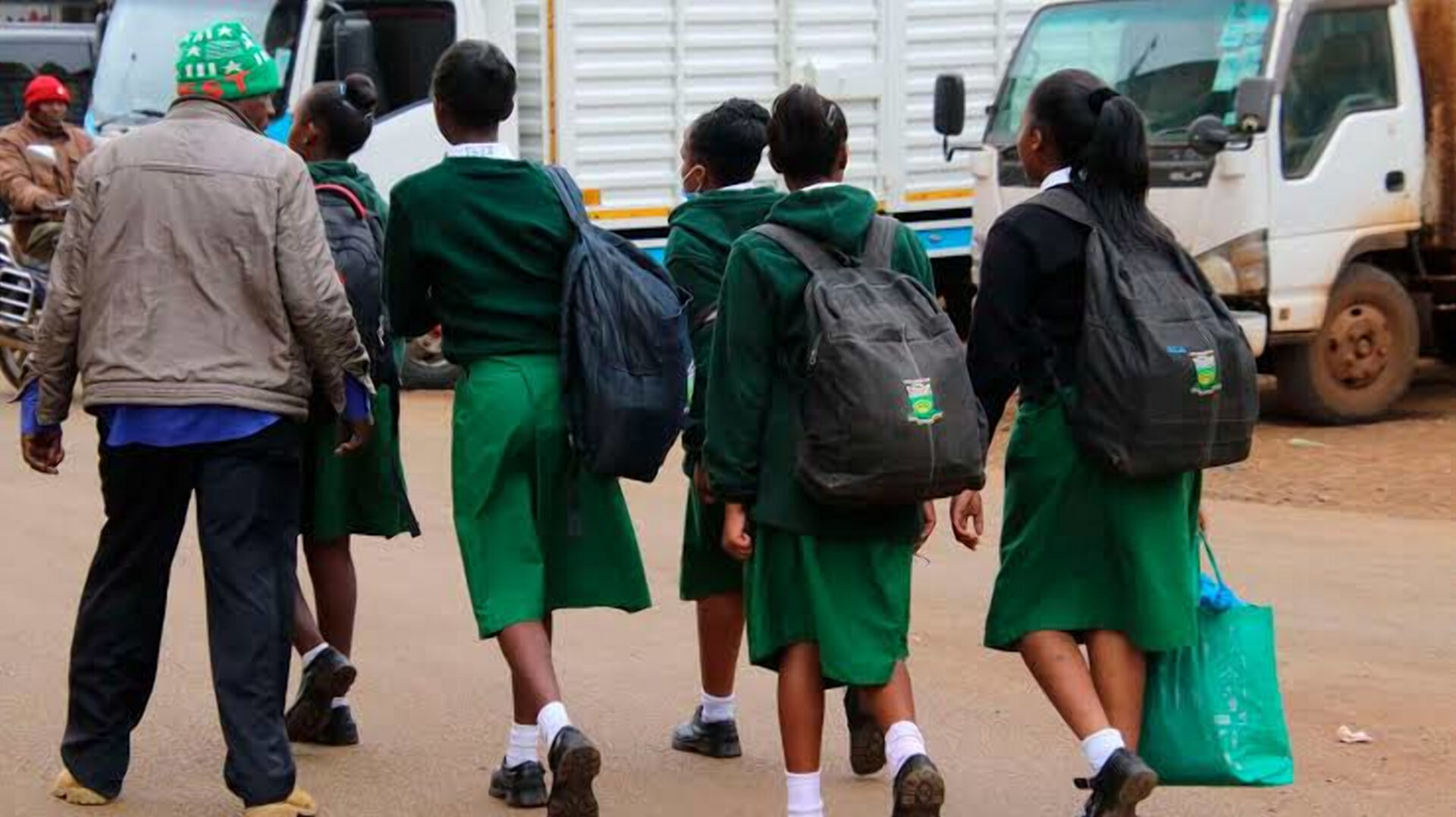
Speaking during an interview on Ramogi TV on Tuesday, February 3, 2026, Mbadi highlighted the massive scale of the education system and the heavy subsidies already in place. He pointed out that Kenya has roughly 11 million primary school pupils, 4 million secondary school students, and around 650,000 university learners.
For secondary education, the government currently provides a capitation of KSh 22,000 per student, amounting to about KSh 88 billion annually for the 4 million learners. In primary schools, each pupil receives KSh 3,000 in subsidy, totaling approximately KSh 33 billion for 11 million children. Mbadi stressed that these figures alone push the education budget beyond sustainable levels.
He broke down the real costs further: boarding secondary schools typically charge nearly KSh 75,000 per student per year, while day schools cost around KSh 35,000. The government subsidizes KSh 22,000 for boarding students and KSh 12,000 for day scholars, leaving parents responsible for the remaining balance.
Mbadi argued that even extreme measures—such as shifting all secondary students to day schools and fully eliminating parental fees—would still strain the budget unsustainably. He cautioned the public against pushing for free education without grasping the economic realities.
"If you confirm these amounts with our budget, you will realise it will not be enough," Mbadi said. "If all secondary school children were in day schools and we decided to clear their fees in totality, it would still not be sustainable for our education budget."
He also referenced history, noting that even former President Mwai Kibaki's landmark free primary education policy was limited in scope and did not extend to secondary or tertiary levels. "Even Mwai Kibaki only gave free primary education, but not for all children," Mbadi remarked. "If we want to finance free education in Kenya, we have to free up money from other areas in the budget."
The CS dismissed suggestions like consolidating all bursaries into one pot, saying such ideas had been considered but remain unviable. His comments come against a backdrop of rising living costs and persistent public calls for greater education support, as many families struggle with school-related expenses despite existing subsidies.
Mbadi's message was clear: while the government remains committed to supporting education access through capitation grants, the dream of fully free education for everyone is currently out of reach due to severe budgetary pressures. Achieving it would demand major reallocations from other national priorities.