
This move aims to provide expert oversight for major projects designed to boost economic growth without putting too much pressure on government borrowing. The appointments signal a fresh push toward smart, investment-driven financing for essential public works. It comes shortly after related laws were passed to create a more sustainable funding model.
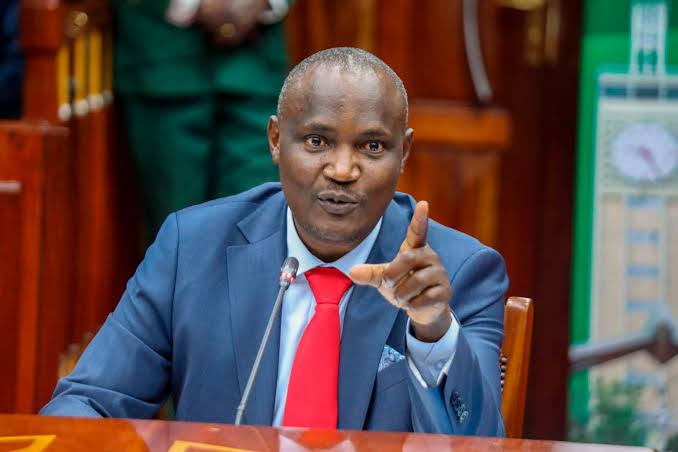
Treasury Cabinet Secretary John Mbadi made the appointments through a special Gazette Notice on July 8, naming James Mworia Mwirigi, Fahima Ali Ahmed Zein, Christopher Kibui Maranga, Latoya Ouna, Lawrence Kibet, and Mohammed Abdirahman Hassan to serve three-year terms. The Gazette stated: “In exercise of the powers conferred by section 13 (1) of the National Infrastructure Fund Act, 2026, the Cabinet Secretary for the National Treasury appoints them to the board.” These individuals will help guide the fund's operations, from selecting projects to monitoring their progress.
The fund, established under the 2025 Act, seeks to raise around Sh5 trillion over the next ten years for big-ticket items like roads, railways, ports, energy systems, and agribusiness facilities. It encourages partnerships between the public and private sectors, drawing money from various sources including investments, privatisation, and grants. This approach differs from traditional debt-heavy methods, focusing instead on commercially viable initiatives that can generate returns. Earlier, President William Ruto appointed a governing council chaired by the Treasury CS to lead the overall strategy.
With the new board in place, the fund is expected to accelerate work on priority projects, such as expanding major airports. It also plans to hire a Chief Executive Officer soon to handle day-to-day affairs. This development reflects the government's commitment to modernising how the country funds its growth ambitions. Observers believe successful implementation could attract more private capital and deliver lasting benefits for citizens through better infrastructure.