
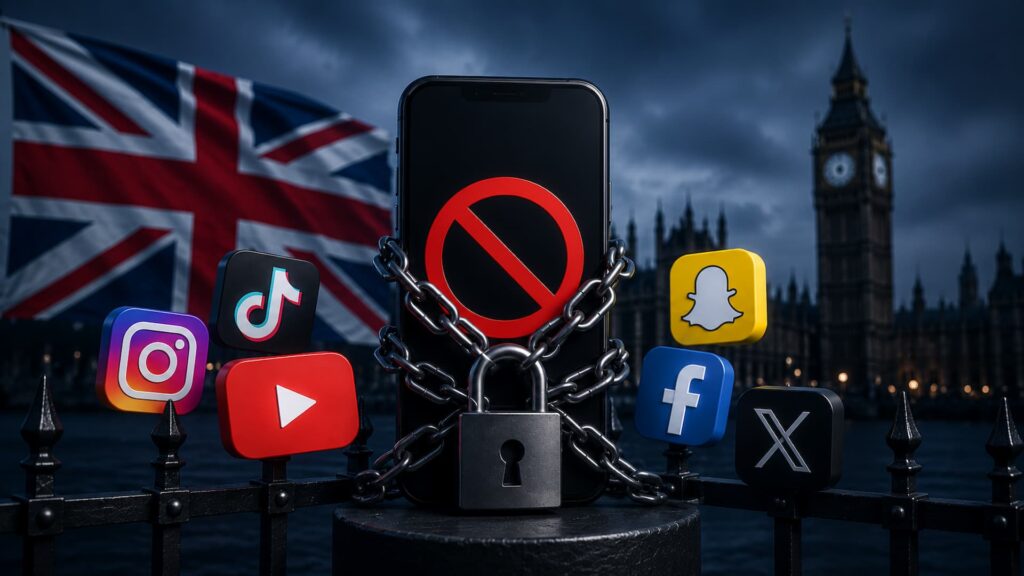
Prime Minister Keir Starmer revealed the plan, highlighting how platforms like Instagram, TikTok, Snapchat, YouTube, Facebook, and X are engineered to keep users hooked, often at the expense of their happiness and wellbeing. Set to take effect in early 2027 after parliamentary approval, this decision positions the UK alongside countries such as Australia, Indonesia, Canada, and Brazil that have already taken similar actions against online harms.
Starmer emphasized that parents across Britain witness the negative impact daily, with many families urging the government for stronger protections. The policy spares messaging services like WhatsApp but targets addictive content feeds that experts link to rising mental health challenges among teenagers. Campaigners, including Prince Harry and Meghan Markle, have praised the initiative, while affected tech firms warn it might push youths toward unregulated corners of the internet lacking safety features or parental oversight.
Enforcement remains a key concern, yet Starmer draws parallels with existing age limits on alcohol and tobacco, arguing that imperfect compliance should not deter protective measures. Surveys indicate overwhelming support from British parents, with around 90 percent backing the move as a way to foster healthier childhoods. Young voices offer mixed perspectives: some teens appreciate reduced exposure to unsafe online interactions, while others feel the age threshold might be too strict given today's connected world.
This development sparks fresh conversations in Kenya and beyond about balancing digital innovation with child safety. As global leaders collaborate to hold tech companies accountable, the UK's approach could inspire African nations grappling with similar issues around youth screen time and online risks. Ultimately, the ban reflects a growing consensus that safeguarding the next generation requires decisive action against platforms that prioritize engagement over emotional health.