
The warning, reported widely on January 24, 2026, comes amid escalating political tensions in Uganda following the disputed January 15, 2026, general elections. It follows repeated public threats—most notably from Ugandan army chief General Muhoozi Kainerugaba (son of President Yoweri Museveni)—including inflammatory social media posts suggesting violence against Bobi Wine. Recent incidents include an alleged overnight raid on Bobi Wine's home in Magere, Kampala, where masked soldiers reportedly assaulted family members and isolated his wife, Barbie Itungo Kyagulanyi.
In parallel, Dr. Kizza Besigye—founder of the Forum for Democratic Change (FDC) and a long-time critic of President Museveni's rule—remains in detention. His health has reportedly deteriorated, with opposition sources claiming he was denied adequate medical care before being transferred under heavy security to a private facility in Kampala. The National Unity Platform (NUP), led by Bobi Wine, has raised alarms about Besigye's condition and called for his immediate release.
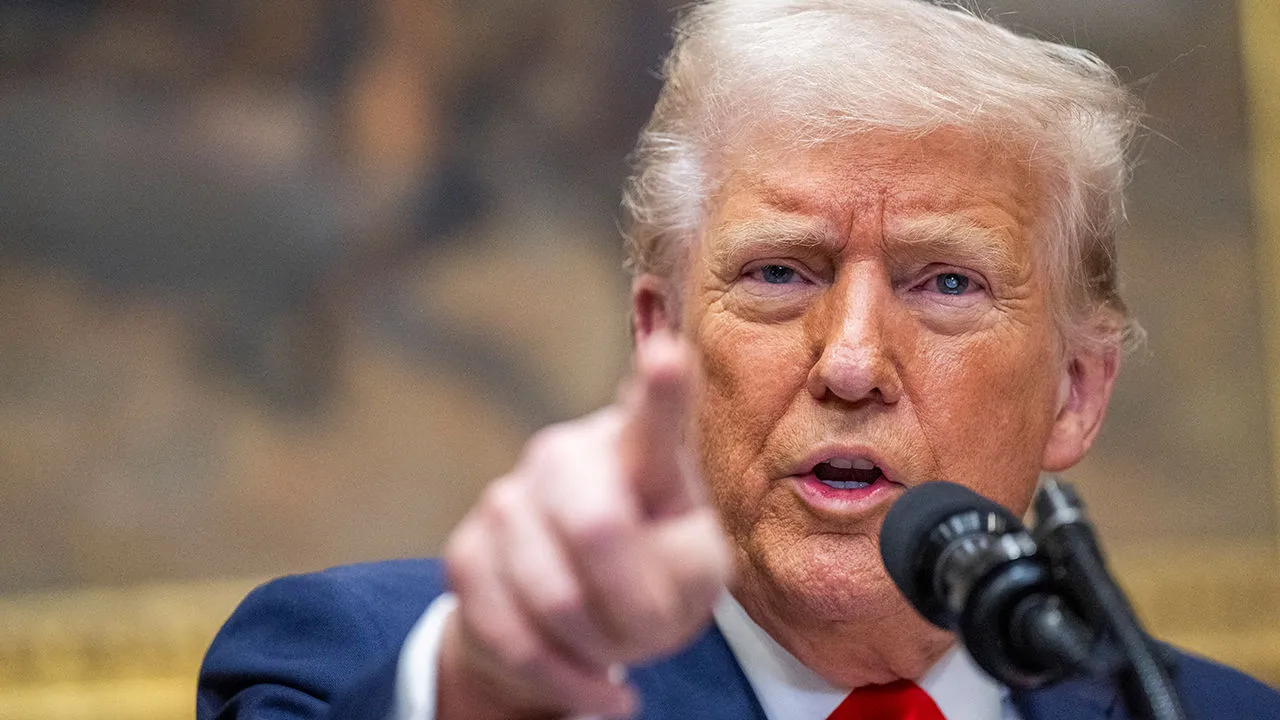
According to statements attributed to U.S. officials and amplified across media outlets, the Biden administration (with incoming Trump administration figures also weighing in via congressional channels) condemned the actions as undermining democratic principles. Key points from the U.S. position include: Immediate cessation of all threats and intimidation against opposition figures, particularly Bobi Wine.
Unconditional and prompt release of Dr. Kizza Besigye.
Broader calls for accountability following the contested elections, including reviews of U.S. security assistance to Uganda and potential sanctions on individuals responsible for rights abuses.
U.S. Senators Jeanne Shaheen (D-NH) and Cory Booker (D-NJ), along with other congressional voices, have been vocal in pushing for these measures. They expressed particular concern over General Muhoozi's ongoing threats and the closing of civic space ahead of and after the 2026 polls. Some reports indicate discussions around targeted sanctions and reevaluation of bilateral ties.
In response, Ugandan authorities and President Museveni have rejected what they describe as foreign interference in domestic affairs, insisting that security operations are lawful and necessary for public order.
Bobi Wine, who rejected the election results citing widespread fraud and violence, has reportedly gone into hiding for safety. His legal team has appealed to the United Nations and international community for verifiable guarantees of his protection.
The development highlights deepening strains in U.S.-Uganda relations, especially as Uganda navigates post-election fallout and succession questions under long-ruling President Museveni. Observers warn that continued crackdowns could trigger further international isolation, including impacts on aid and military cooperation.
No immediate official joint statement from the U.S. State Department was quoted in full, but the circulating reports—sourced from diplomatic channels, congressional offices, and opposition updates—indicate firm U.S. expectations for prompt action on both fronts. Developments are being closely monitored as regional stability in East Africa hangs in the balance.