
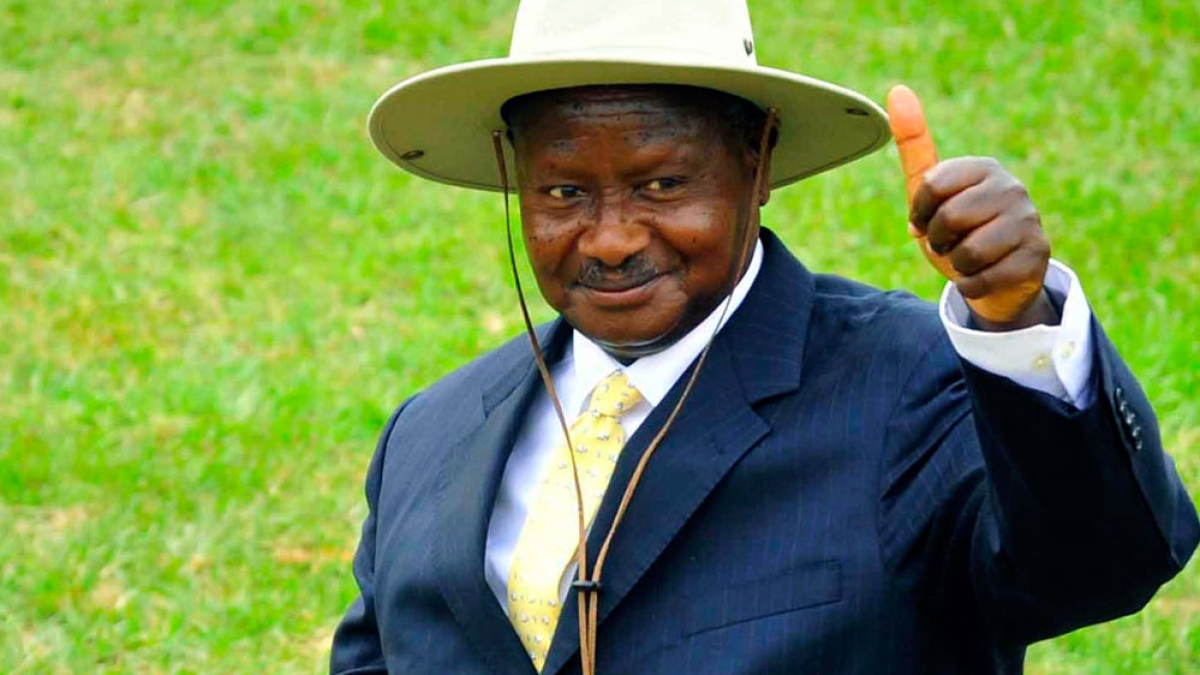
According to the country's Electoral Commission, Museveni received 71.65% of the vote. His primary challenger, pop star-turned-politician Bobi Wine (real name Robert Kyagulanyi), garnered 24.72%. The announcement came on Saturday following Thursday's voting, which took place under a nationwide internet blackout and amid reports of significant tension.
The election campaign was highly contentious. The United Nations described it as marked by widespread repression and intimidation, including crackdowns on opposition rallies, arrests, and abductions targeting opposition figures and civil society. Security forces repeatedly used tear gas and live ammunition to disperse crowds, leading to numerous detentions of opposition supporters.
Violence marred the aftermath of the vote. At least seven people were reported killed overnight in various incidents, with opposition claims of up to 10 deaths in an attack by police on a local opposition lawmaker's home in Butambala, about 55 km southwest of Kampala. Authorities put the figure at seven and alleged that opposition "goons" armed with machetes had attacked a police station and vote-tallying center. A heavy police presence was deployed in the capital to deter potential protests.
Bobi Wine rejected the results outright, with a spokesman for his National Unity Platform party calling them "a sham." On Election Day, Wine alleged massive ballot stuffing via social media. He also reported escaping a police and army raid on his home, stating that his wife and other family members remained under house arrest while he sought safety. Earlier provisional tallies had shown Museveni with an even larger lead (around 76% from partial counts), but the final official figure settled lower.
Election observers, including those from the African Union and other regional bodies led by former Nigerian President Goodluck Jonathan, noted no direct evidence of ballot stuffing but condemned reports of intimidation, arrests, and abductions that created fear and undermined trust in the process. They criticized the internet shutdown for disrupting effective monitoring and heightening suspicions, though they described Election Day polling as largely peaceful.
Museveni, now 81, first came to power as a rebel leader who helped end post-independence turmoil in Uganda and oversaw periods of notable economic growth—achievements still praised by many supporters. One pro-government rally attendee, a 37-year-old teacher named Isaac Kamba, expressed satisfaction with the outcome, attributing it to Museveni's "hard work, dedication and commitment to the people of Uganda." However, the atmosphere at such events was described as subdued rather than celebratory.
Critics accuse Museveni of authoritarian tendencies, including twice amending the constitution to eliminate age and term limits, and maintaining tight control over state institutions and security forces. His victory has long been seen as all but assured given this dominance.
The governing National Resistance Movement also secured a strong position in parliamentary results, though full counts were ongoing at the time of the announcement.
This outcome extends Museveni's four-decade grip on power in a nation where peaceful political transitions have been rare since independence, and where a young population—70% under 35—continues to grapple with issues like unemployment and governance under prolonged leadership.