
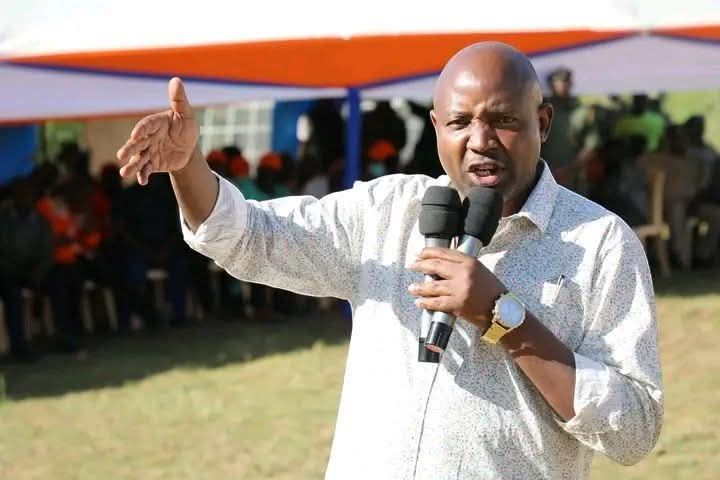
The announcement came during remarks in Kakamega following consultative meetings with coalition leaders. Savula, a vocal supporter of the national government, described his move as a strategic shift toward the ruling party, arguing that it aligns with delivering development to the region.
Savula further confirmed his ambition to contest for the Kakamega Governor seat in the 2027 general election on a UDA ticket. He indicated that preparations are already underway, signaling an early start to mobilization efforts in one of Kenya's most populous and politically influential counties.
The defection represents a notable blow to DAP-K, led by figures such as Eugene Wamalwa, as the party seeks to maintain relevance in Western Kenya amid the broader "broad-based government" dynamics. Savula's exit comes amid ongoing efforts by pro-Ruto leaders to consolidate support ahead of President Ruto's anticipated 2027 re-election bid.
Analysts view the switch as part of a wider trend of defections and realignments in the region, where political figures increasingly align with the national ruling coalition to access resources and influence development projects. Savula has previously been involved in government coalitions, including local arrangements with ODM-affiliated leaders, but his formal move to UDA strengthens the party's foothold in Kakamega.
The development is expected to intensify competition for the Kakamega gubernatorial race, with Savula positioning himself as a key player in UDA's Western Kenya strategy. No immediate response from DAP-K leadership was detailed in initial reports, but the move has sparked discussions on social media and political circles about shifting loyalties in the build-up to 2027.