
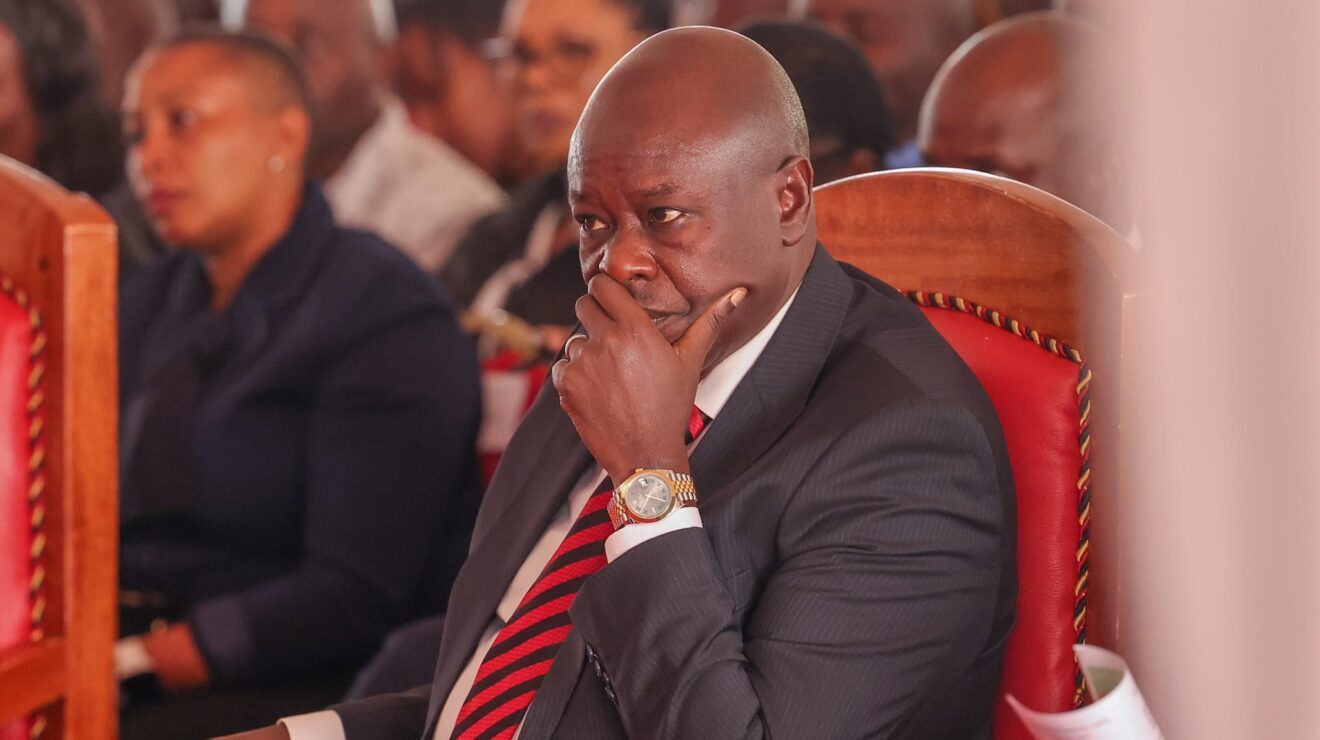
The judges dismissed his challenge against the impeachment that ousted him from office back in October 2024, confirming that Parliament followed proper procedures throughout the process. This decision marks a significant chapter in the country's ongoing constitutional debates, underscoring the judiciary's role in interpreting complex political removals.
The three-judge bench carefully examined several key complaints raised by Gachagua, including claims of bias by the National Assembly Speaker and shortcomings in public involvement. Finding no solid evidence to back the bias allegations, the court praised the extensive outreach efforts made by lawmakers, which included widespread newspaper notices in both English and Kiswahili. They also determined that the approval of his successor, Kithure Kindiki, was handled transparently through televised sessions, without needing extra public consultation steps. This thorough review highlights how the impeachment process balanced speed with basic fairness requirements.
While acknowledging gaps in Kenya's laws for handling deputy presidential removals under the relevant constitutional article, the judges stopped short of overturning the entire case. They pointed out that Parliament drew on existing safeguards to protect rights during the proceedings, even as they called on lawmakers to create clearer rules moving forward. This recommendation aims to prevent future uncertainty and build stronger public trust in such high-stakes decisions. The ruling also upheld specific timelines used in the Senate, treating them as reasonable procedural choices rather than legal flaws.
As Kenya continues to navigate its evolving democratic institutions, this verdict reinforces the power of parliamentary actions when grounded in constitutional basics. Supporters and critics alike will be watching closely to see how it shapes future leadership transitions and whether Parliament heeds the call for better legal frameworks. For now, it brings a sense of closure to a dramatic episode, allowing the nation to focus on pressing governance matters ahead. The outcome serves as a reminder of the delicate balance between political accountability and judicial oversight in Africa's vibrant democracies.