
Officials recently directed X, the platform owned by Elon Musk, to open a physical office in the country within three months. This move comes as part of a larger push to ensure international tech companies adhere to Kenyan regulations while serving millions of local users. By requiring a local footprint, authorities hope to bridge the gap between distant headquarters and on-the-ground realities in digital spaces.
The initiative centers heavily on protecting vulnerable populations, especially children and young people who spend increasing time online. Concerns about harmful content, misinformation, and cyberbullying have grown in recent years, prompting calls for faster responses to reported violations. A dedicated office would allow Kenyan authorities to collaborate more effectively with platform teams, speeding up content moderation and accountability measures. This approach reflects a broader global trend where nations seek greater control over how foreign digital services impact their citizens.
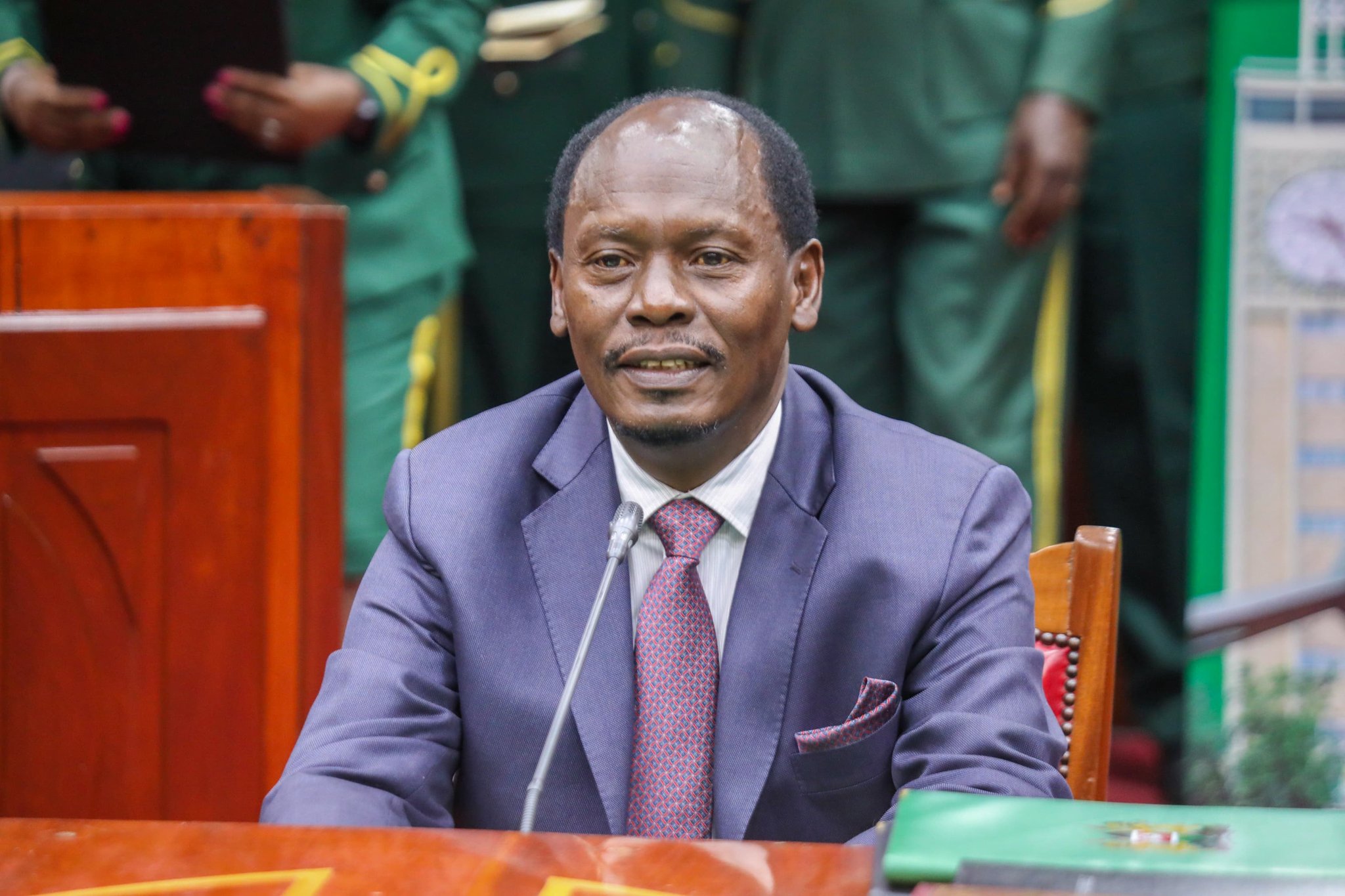
ICT Cabinet Secretary William Kabogo shared the directive during a Senate session, noting that X currently operates under temporary approval tied to this condition. The government views local offices as essential for subjecting platforms to domestic laws rather than relying solely on remote policies. Such presence could streamline investigations into illegal activities and foster stronger partnerships between regulators and tech firms. For X, this represents both a challenge and an opportunity to demonstrate commitment to safer online environments in emerging markets.
As Kenya advances its digital economy ambitions, balancing innovation with safety remains a key priority. Requiring physical offices from big players like X signals a maturing regulatory framework aimed at safeguarding users without stifling growth. The coming months will reveal how the platform responds and whether similar expectations extend to other services. Ultimately, this development underscores the evolving relationship between governments and global tech giants in the quest for responsible digital governance.