
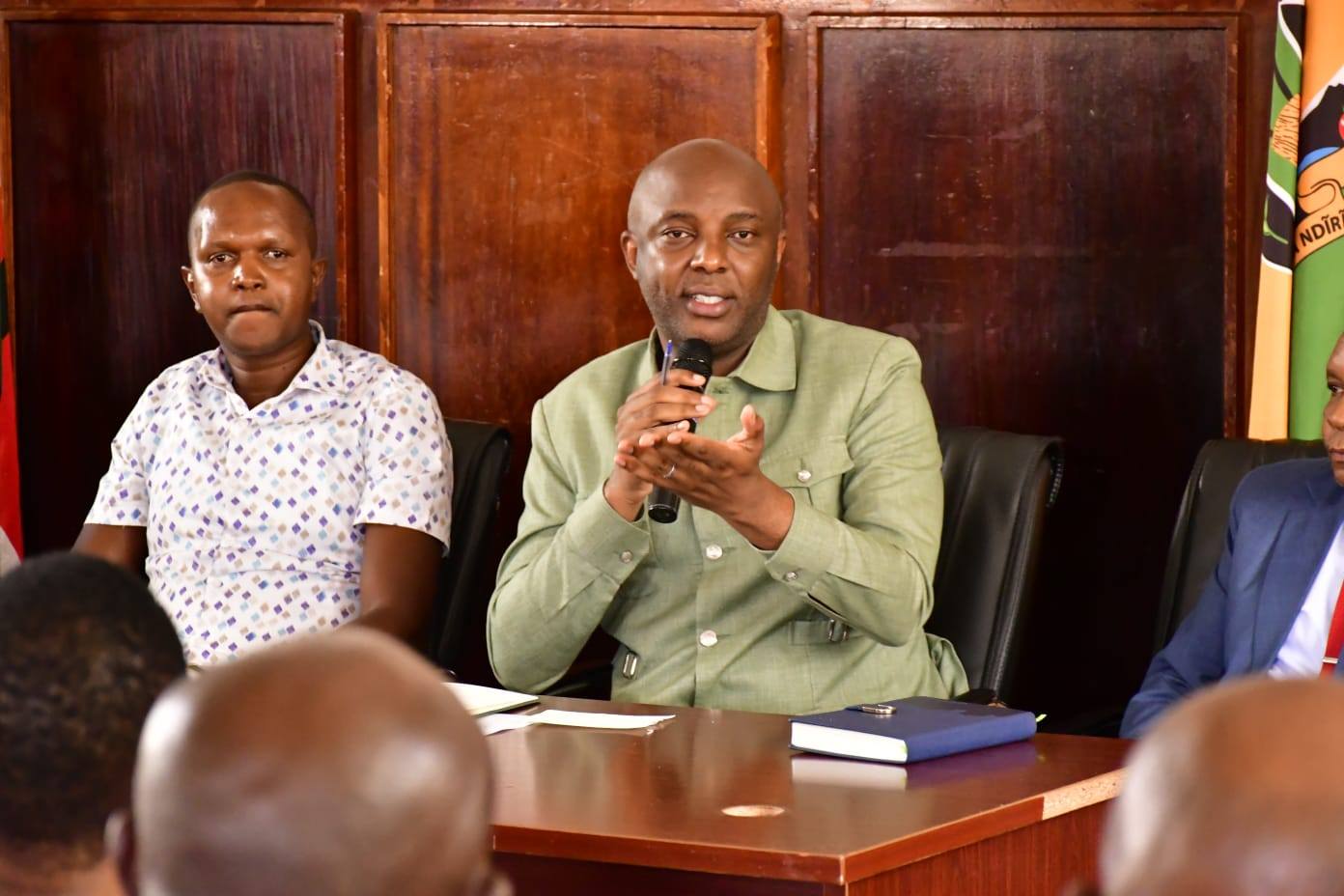
Speaking during an interview on Kameme TV, the governor highlighted this low turnout as a clear indication of growing discontent with the current administration among lawmakers who represent the area. Many of these legislators, even those publicly aligned with the government, chose to stay away, reflecting deeper unease over policies that have sparked widespread discussion across the country.
According to Kang’ata, the absence of nearly all Mount Kenya MPs during the crucial session suggests they are hesitant to be seen openly backing government initiatives amid public scrutiny. He pointed out that some leaders privately express support but appear reluctant when faced with pressure from their constituents. This development, he argued, serves as an important signal to President William Ruto, whose past electoral successes heavily relied on strong backing from this influential region.
The remarks come shortly after a thinly attended National Assembly session where only about a third of MPs were present for the Finance Bill vote. Kang’ata’s observations underscore the fragile political dynamics in the Mount Kenya area, where shifting sentiments could reshape alliances ahead of future elections. His comments also touch on broader questions about loyalty, representation, and the need for leaders to remain responsive to the people they serve.
As Kenya navigates ongoing fiscal and political conversations, statements like these highlight the importance of dialogue between national leadership and regional stakeholders. The Mount Kenya region continues to play a pivotal role in the country’s political landscape, and any signs of disconnection could influence strategies moving forward. Observers will be watching closely to see how these sentiments evolve and impact governance in the months ahead.