
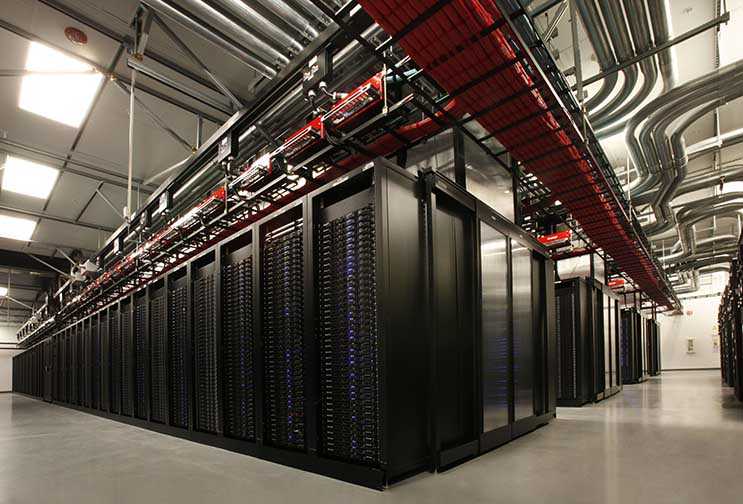
The $1 billion initiative, involving Microsoft and UAE-based G42, promised to position the country as a rising hub for artificial intelligence and cloud computing across East Africa. Located near the geothermal-rich Olkaria region, the project was envisioned as a clean-energy powerhouse that could drive innovation, create jobs, and attract further foreign investment in digital infrastructure. For a nation eager to embrace the AI revolution, this collaboration symbolized hope for economic transformation in an increasingly tech-driven world.
Yet the excitement has given way to caution as energy constraints bring the project to a halt. President William Ruto recently highlighted the harsh realities of the national grid, noting that powering such a facility at full scale could strain resources to the point of widespread blackouts. Kenya's current electricity capacity hovers around 3,000 megawatts, making the data center's potential demands—potentially reaching hundreds of megawatts or more—simply unsustainable without major upgrades. This setback underscores a common challenge in emerging markets: balancing bold digital ambitions with the practical limits of existing infrastructure.
The pause serves as a wake-up call for broader energy development. Officials are now doubling down on efforts to expand generation capacity, with targets aiming for a significant jump in the coming years through more geothermal, solar, and other renewable sources. Such investments could not only revive this data center but also support future tech projects, helping Kenya avoid similar roadblocks. In the meantime, the government faces the task of negotiating adjustments, perhaps scaling back initial phases or securing additional power commitments to keep international partners engaged.
Looking ahead, this experience could strengthen Kenya's long-term strategy for sustainable growth. By addressing power shortages head-on, the country has an opportunity to build a more resilient foundation for AI and digital economies. While the immediate future of the Microsoft-G42 venture remains uncertain, the conversation it sparked about infrastructure priorities may ultimately accelerate progress, turning a temporary stumble into a catalyst for meaningful advancement across the region.