
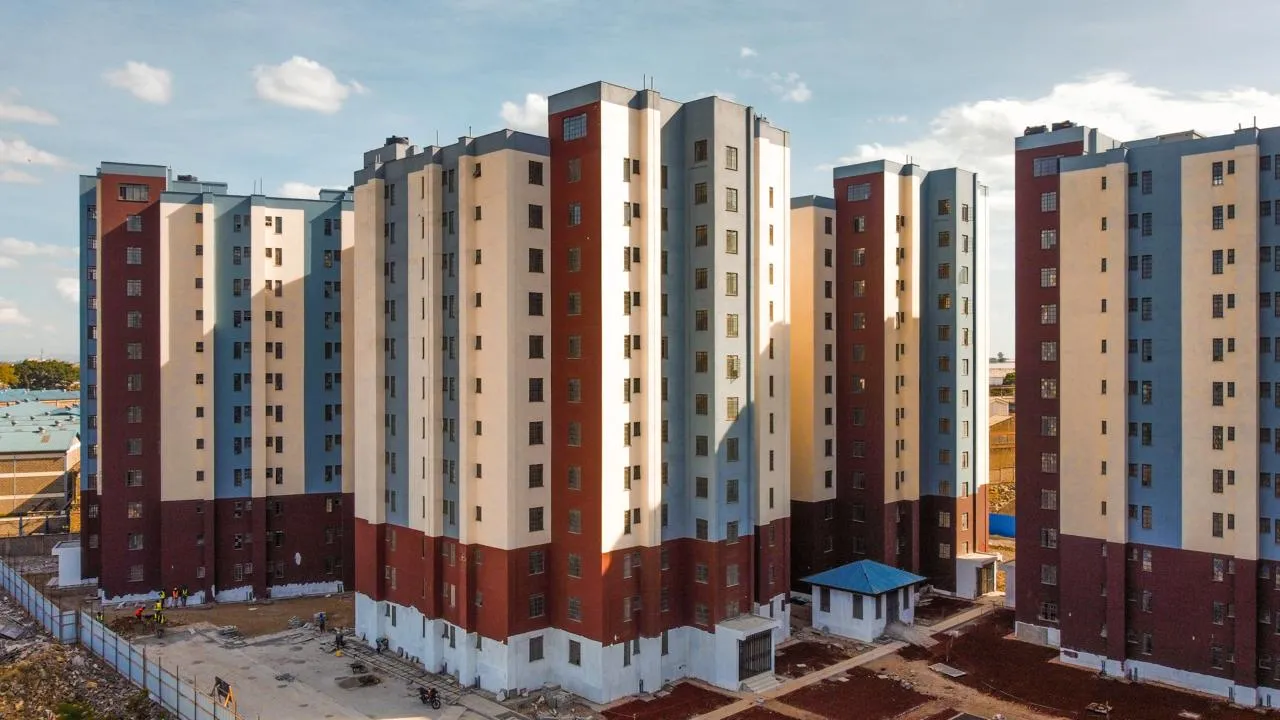
Officials have outlined plans to tackle the country's persistent shortage of decent homes, particularly for low- and middle-income families struggling with high rents and limited ownership options. This push forms part of a broader vision to stimulate economic growth through construction jobs, local material suppliers, and improved living standards across urban and rural areas alike. Yet the scale of the challenge has become clearer, prompting fresh questions about how best to bridge the gap without overburdening taxpayers.
At the heart of the matter lies the target of delivering around 200,000 new housing units each year to meet surging demand and gradually close the national deficit. The State Department for Housing and Urban Development has calculated that achieving this pace consistently would require close to 400 billion shillings annually. So far, contributions from the housing levy—drawn from salaried workers and their employers—have generated roughly a quarter of that amount, leaving a substantial shortfall. Planners are now exploring additional budget allocations, potential partnerships, and innovative financing models to keep projects moving forward in places like Nairobi's informal settlements and beyond.
Progress to date includes thousands of units completed or under construction, offering hope to families eager for their own homes. However, many Kenyans continue to voice concerns over the slow rollout, high costs per unit, and whether the benefits truly reach intended beneficiaries. The program has already mobilized significant local resources, yet sustaining it demands careful balancing of public expectations with fiscal responsibility. Supporters argue that successful execution could transform communities, boost property markets, and create lasting economic ripple effects.
Looking ahead, the government faces a pivotal test in turning this ambitious blueprint into widespread reality. Creative solutions such as enhanced private sector involvement, streamlined land processes, and better targeting of subsidies may prove essential. For ordinary citizens, the ultimate measure of success will be more accessible homes and tangible relief from housing pressures. As discussions intensify around next year's budget, the affordable housing programme stands as both a symbol of national aspiration and a reminder of the hard choices required to deliver on big promises.