
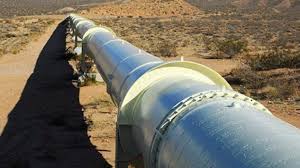
The government has slashed Sh9.8 billion originally earmarked for the South Lokichar oil development in Turkana County. This cut, enacted through the recently approved 2026/27 financial estimates in Parliament, directly impacts critical infrastructure and preparatory work needed to bring the reserves online.
The South Lokichar project has long symbolized hope for economic transformation in the arid northern region, promising jobs, revenue streams, and energy security for the nation. With Gulf Energy leading development efforts after acquiring rights from previous operators, expectations had built around hitting initial output targets of around 20,000 barrels per day. Removing such substantial funding at this stage could delay pipeline connections, field preparations, and community engagement initiatives essential for smooth operations.
Fiscal pressures appear to have driven the decision, as authorities balance competing national priorities amid tight resources. Turkana residents and industry stakeholders now watch closely, concerned about lost momentum in an area already grappling with underdevelopment. Proponents argue that sustaining investment here could unlock billions in long-term government earnings while boosting local economies through skills training and ancillary businesses
As the implications ripple through the energy sector, officials may need to explore alternative financing or reallocate resources swiftly to keep the timeline intact. The situation underscores the delicate interplay between budgetary discipline and strategic national projects. For Kenya, successfully navigating this hurdle could mark a historic entry into oil-producing nations, but any further delays risk diminishing investor confidence and prolonging the wait for tangible benefits.