
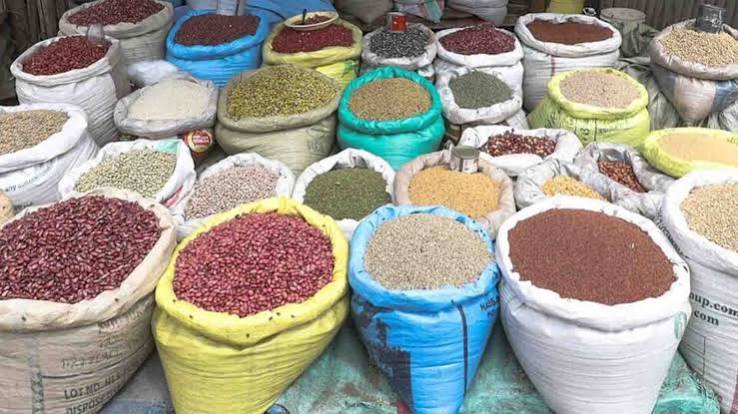
The Kenya Agricultural and Livestock Research Organisation (KALRO) has flagged products that far exceed safe consumption limits, sparking renewed worries about everyday food safety for families across the country. This issue highlights ongoing challenges in maintaining quality standards from farm to market shelf.
KALRO Director General Patrick Ketiem revealed that some tested cereals showed contamination as high as 500 parts per billion, while the World Health Organisation sets the maximum acceptable level at just 10 ppb. These toxins, produced by fungi thriving on poorly stored grains like maize, sorghum, millet, and groundnuts, pose serious long-term health risks including liver cancer, weakened immune systems, and developmental problems in children. Experts point to inadequate drying, improper storage, and costly testing as key factors driving the problem.
In response, the Kenya Bureau of Standards (KEBS) has ramped up market inspections and surveillance to pull unsafe items off shelves. Officials stress that food safety is a collective duty, urging traders, farmers, and consumers to prioritize proper handling practices and reject anything suspicious. Making affordable testing more accessible for small-scale producers could play a vital role in preventing future outbreaks of contamination.
As consumers navigate daily shopping, health experts advise checking for signs of spoilage and supporting initiatives that promote better storage solutions. This latest warning serves as a timely reminder of the need for stronger systems to safeguard the nation’s food supply. With coordinated efforts between government agencies and the public, Kenya can work toward reducing these risks and ensuring safer meals for everyone.