
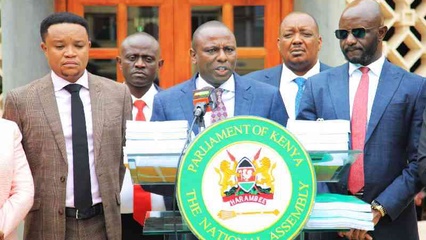
Despite public input and proposals during hearings on the Finance Bill 2026, the National Assembly’s Finance and National Planning Committee chose not to overhaul the current structure, which includes a top marginal rate of 35 percent. Stakeholders had pushed for measures such as exempting those earning below Sh30,000 monthly and reducing higher brackets to between 28 and 30 percent, arguing it would boost household spending and support economic growth. The committee, chaired by Molo MP Kuria Kimani, acknowledged these concerns but recommended further study by the National Treasury instead of immediate changes.
While shelving major PAYE reforms, lawmakers proposed several adjustments to the Bill that soften some of the stricter tax measures originally suggested by the Treasury. If approved, these tweaks would lower the additional revenue target from Sh120 billion to about Sh98.5 billion, potentially requiring the government to borrow more to meet the Sh4.82 trillion budget for the 2026/27 financial year. The decisions reflect a balancing act between raising funds for national priorities and responding to worries about the impact of high taxation on ordinary Kenyans already facing other deductions like SHIF, housing levy, and NSSF contributions.
Experts from bodies such as the Kenya Bankers Association and the Institute of Certified Public Accountants of Kenya had highlighted how narrow tax bands and steep rates reduce disposable income, affecting consumer demand and small businesses. They presented simulations showing that modest rate cuts could stimulate job creation and even generate additional revenue over time through expanded economic activity. However, the committee emphasized the need to maintain revenue flows while exploring ways to make the system more progressive without significant shortfalls.
This stance on the Finance Bill comes as Kenyans continue to grapple with the cost of living and expectations for relief in taxation. The committee also recommended preserving zero-rating for certain essential items to support local manufacturing, agriculture, and green energy initiatives. As debates continue in Parliament, the outcome will shape how the country funds its development plans while addressing the financial pressures faced by working families. Many will be watching closely to see if further adjustments emerge before the Bill is finalized.