
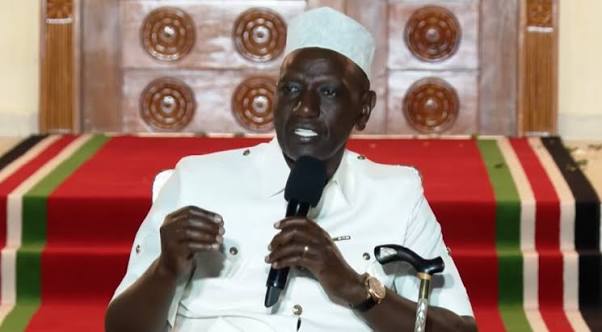
Speaking after Madaraka Day events in Wajir, he revealed that he personally approved the project following a direct request from US President Donald Trump. Ruto described the initiative as part of a long-standing friendship between the two nations, noting decades of American support in battling diseases like HIV and AIDS across Kenya.
The President stressed that the new facility is not unique but aligns with over twenty similar preparedness centers already operating in major hospitals nationwide. He highlighted ongoing vigilance at Kenya’s borders, where thousands of travelers are screened daily, and pointed to the thousands of Kenyans living and working in the Democratic Republic of Congo, where Ebola remains a serious risk. Ruto argued that Kenya has a duty to protect its citizens and contain any imported cases, comparing the project to a COVID-19 isolation unit previously set up at the UN headquarters in Nairobi.
This development comes against a backdrop of strong local opposition in Nanyuki, where residents recently staged protests fearing the facility could endanger nearby communities and harm tourism. Critics have raised questions about public consultation and the risks of hosting such a center on behalf of international partners. In response, Ruto questioned whether Kenya should simply ignore the possibility of an outbreak, especially with active research underway at institutions like KEMRI to develop better treatments and vaccines.
Backed by a substantial Ksh200 billion health cooperation agreement signed last year, the project aims to strengthen the country’s overall medical infrastructure. However, a recent High Court temporary injunction has paused construction pending further legal review. As debates continue, the conversation underscores the delicate balance between national security, international partnerships, and community trust in Kenya’s health preparedness efforts.