
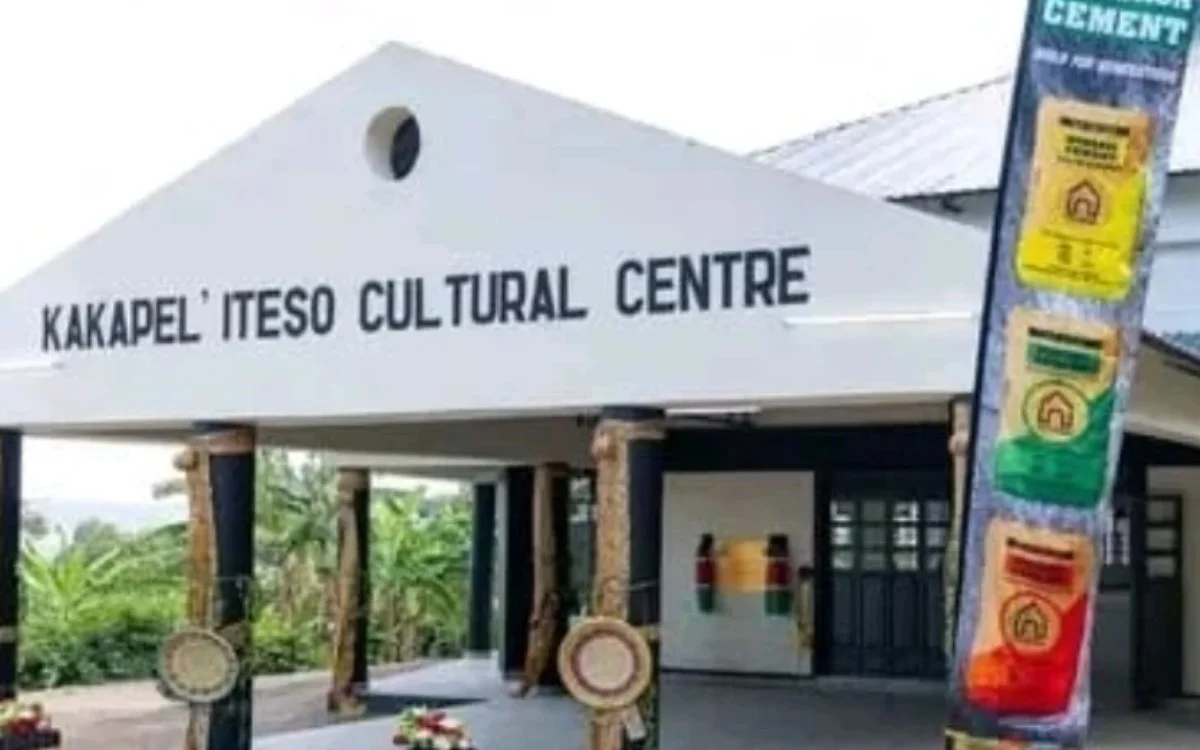
President William Ruto has pledged additional government funding to expand and upgrade the Kakapel Iteso Cultural Centre in Teso North Constituency, Busia County, in a move expected to strengthen cultural preservation and boost tourism in the region.
The President made the announcement on Thursday, November 19, 2026, when he officially opened the facility during his development tour of Western Kenya.
Ruto said the government would commit more resources towards improving the centre's infrastructure and expanding its capacity to attract visitors from across the country and beyond.
The facility is dedicated to preserving and promoting the cultural identity of the Iteso community, providing a platform for showcasing its history, traditions and heritage to future generations.
The investment is also expected to give Busia County a stronger presence on Kenya's cultural tourism map, with Kakapel offering an opportunity to attract researchers, cultural enthusiasts and tourists interested in the history of local communities.
However, the centre's journey to its official opening has not been without challenges.
The Kakapel Community Cultural Centre project began in 2015 but remained incomplete for more than a decade after the initial contractor abandoned the site. Construction had reached the foundation, walls and installation of roof beams before the works stalled.
In October 2026, Busia Deputy Governor Arthur Odera handed over the site to facilitate the resumption of construction through a partnership involving the County Government of Busia, Mombasa Cement and Tororo Cement.
The revival of the project marked an important step towards completing an investment that had remained stalled for years, denying the community an opportunity to fully benefit from its cultural and tourism potential.
Kakapel's significance, however, extends beyond the newly opened facility.
The area is home to the Kakapel National Monument, a recognised archaeological site situated in the Chelelemuk Hills and renowned for ancient rock paintings believed to date back between 2,000 and 4,000 years.
The paintings, attributed to the Twa hunter-gatherer community, include representations of animals, human figures and geometric patterns, offering a glimpse into early human life and artistic expression in the Lake Victoria region.
The monument is also regarded as an important heritage site for the Iteso and neighbouring communities, making Kakapel a valuable destination for both cultural and historical tourism.
With the latest funding pledge, attention now shifts to how the government and county administration will translate the commitment into expanded facilities, improved visitor services and sustainable tourism opportunities.
For the Iteso community, the opening represents more than the completion of a long-delayed construction project. It offers renewed hope that their cultural heritage can be preserved, celebrated and turned into an economic opportunity for present and future generations.