
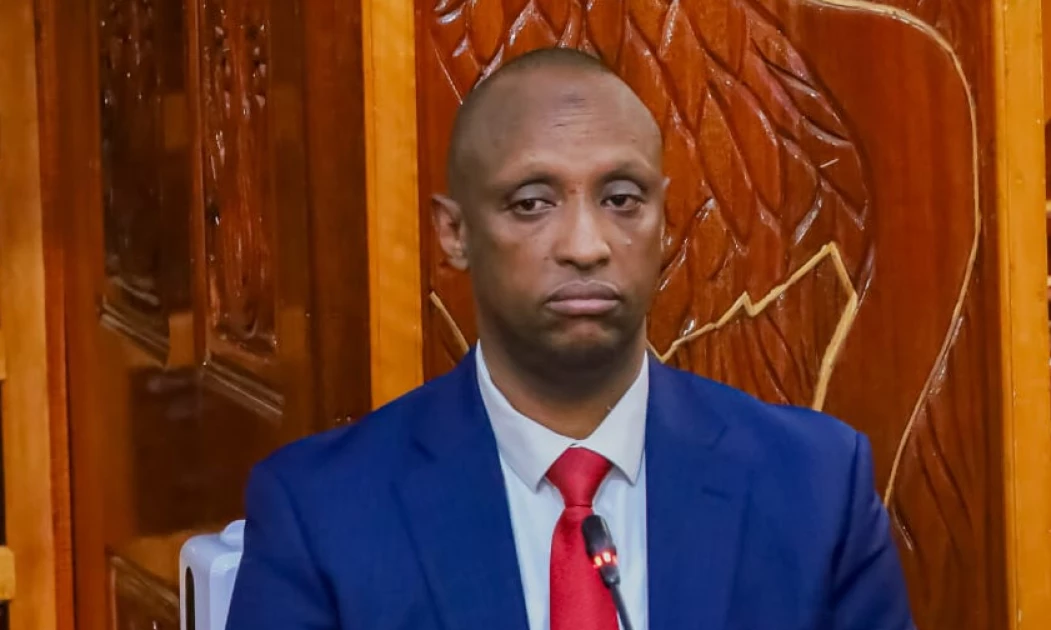
The County Public Accounts Committee, frustrated by the governor's repeated absence from scheduled appearances, has instructed the Inspector General of Police to ensure his presence. This development stems from ongoing probes into county financial matters, with senators determined to wrap up reviews for the previous financial year. The move reflects broader tensions between county leaders and national legislative bodies seeking accountability in public resource management.
Committee chairperson Moses Kajwang' emphasized the urgency of the situation, noting that delays were hindering the transition to new audit cycles. Invoking constitutional provisions and parliamentary privileges, the panel rejected excuses related to the governor's local engagements with the county assembly. Lawmakers stressed that they could not afford further postponements, directing Guyo to appear before them on a specific date. This latest action highlights the Senate's resolve to exercise its powers when summons go unheeded.
The directive revives debates over the balance of power between governors and the upper house, coming months after a similar high-profile attempt involving Nairobi's leadership. County bosses have previously raised concerns about such enforcement measures, even seeking court intervention to limit them. However, judicial rulings have affirmed Parliament's authority to compel attendance during accountability sessions, underscoring the legal framework supporting these decisions.
As this standoff unfolds, it draws attention to the importance of transparency in devolved governance across the country. Both sides are navigating complex dynamics that could influence future interactions between counties and the Senate. The outcome may set precedents for how financial oversight is conducted, ultimately aiming to strengthen public trust in how resources are utilized at the local level for development and service delivery.