
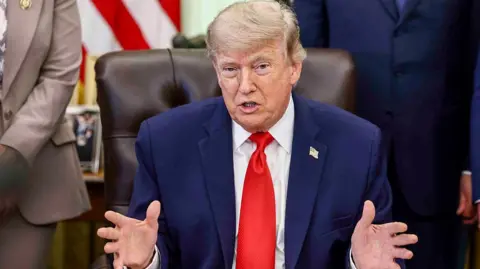
The pact, signed on the sidelines of the G7 summit in France, extends the existing ceasefire by another 60 days while setting the stage for broader discussions on Iran's nuclear ambitions. Trump personally signed a physical copy at the historic Palace of Versailles, describing the moment simply as mission accomplished, while his Iranian counterpart handled the digital version. Pakistan played a pivotal mediating role, announcing that the deal took immediate effect, including steps to reopen vital shipping routes.
This breakthrough promises significant economic relief by allowing the Strait of Hormuz to resume normal operations for global oil transport. Under the terms, Iran can once again sell its oil freely on international markets, and the United States is prepared to lift naval restrictions right away. If successful over the next two months, the agreement could unlock substantial reconstruction funding for Iran, potentially up to hundreds of billions of dollars, alongside efforts to ease American and international sanctions. French President Emmanuel Macron welcomed the move, noting its potential to stabilize energy prices worldwide and open doors for lasting peace in the region.
Iranian officials are approaching the upcoming technical negotiations with confidence, drawing on what they see as recent strategic gains. Unlike the 2015 nuclear framework that faced domestic criticism for perceived weaknesses, Tehran insists this round will emphasize strength and avoid unnecessary compromises. The deal addresses sensitive issues like the handling of enriched uranium, a core concern that fueled earlier conflicts. However, voices in Washington from both political sides remain cautious, questioning whether the interim steps will truly curb long-term proliferation risks or simply provide breathing room.
As implementation begins, the world watches closely to see if this fragile understanding can evolve into a more permanent resolution. The agreement marks a notable diplomatic pivot following months of confrontation, with both sides committing to test its provisions in practice. A formal ceremony is still expected soon, underscoring the involvement of multiple international players. For now, the focus shifts to tangible actions that could reshape energy flows, security dynamics, and economic prospects across the Middle East and beyond.